9 posts tagged with "Chinese game"

View all tags

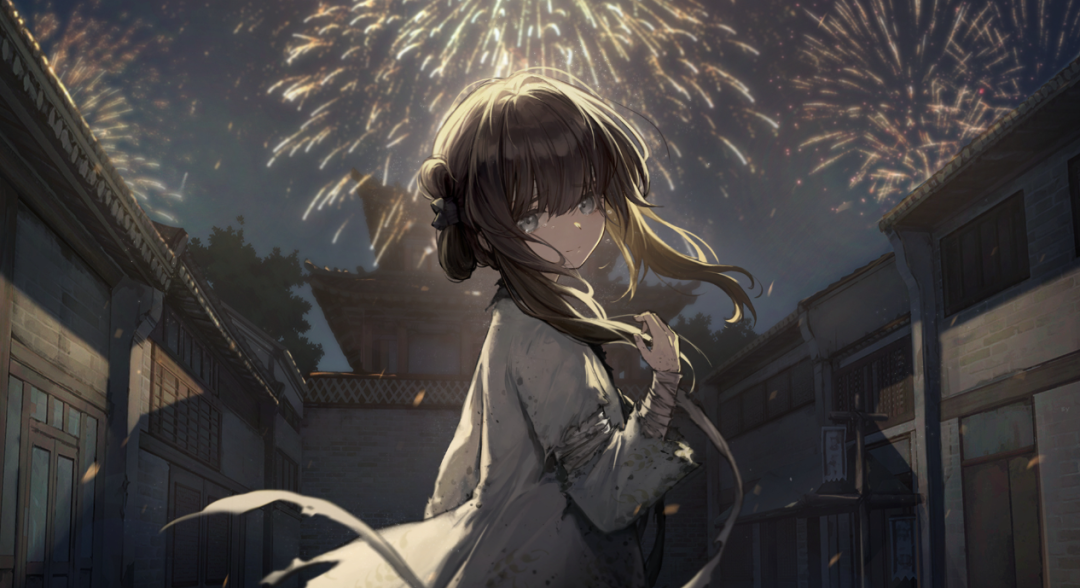
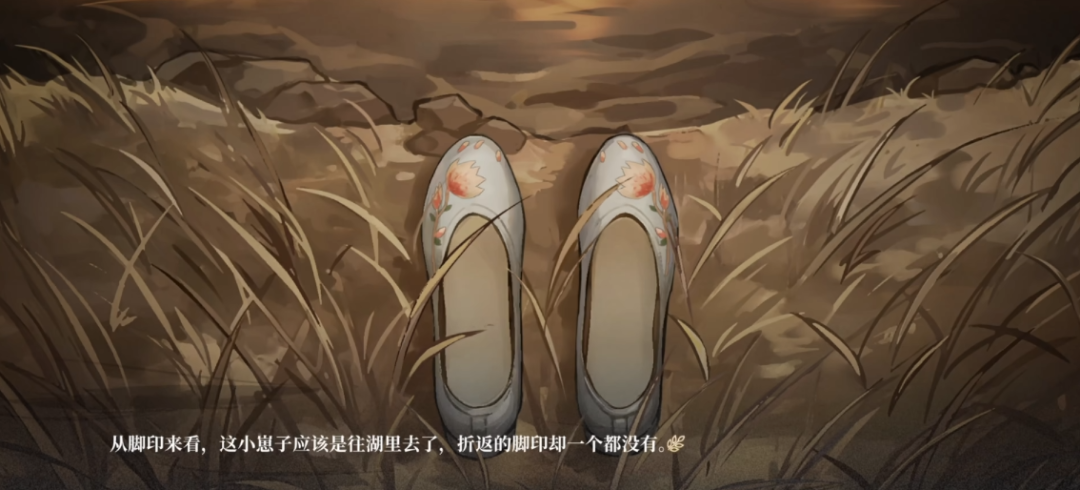
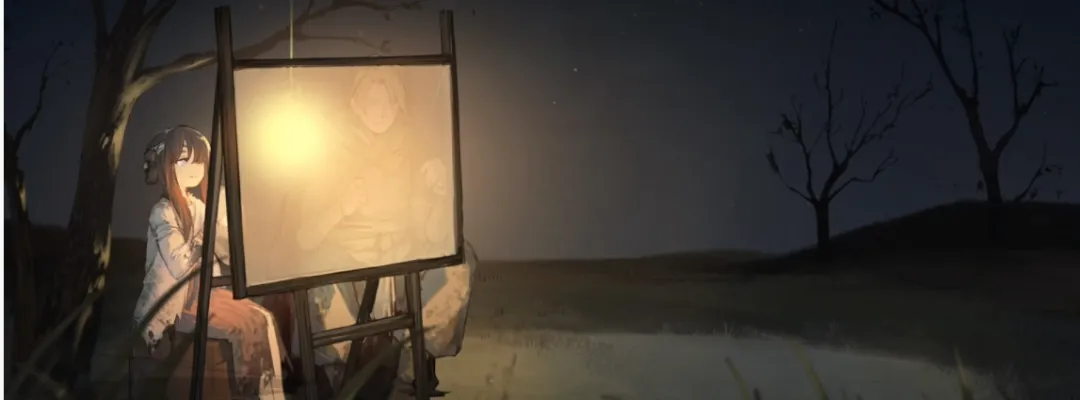
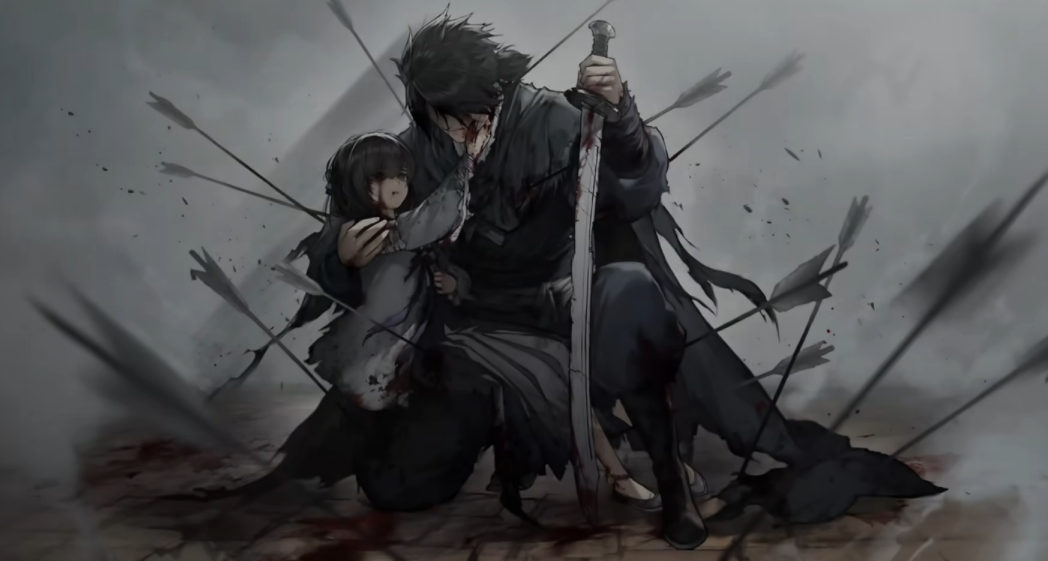
I Support Moms Playing Genshin Impact with Their Daughters

· 13 min read

Author / momo

Edited by the < Reliable Editorial Desk >

Originally, she only opened Genshin Impact somewhat "against her own instincts" because she wanted to have a few more words to say with her teenage daughter. A year later, she had reached Adventure Rank 60, cleared the Spiral Abyss, and her relationship with her daughter had entered an unusually close stage—not seen since her daughter was born.

She wrote this experience up as a Xiaohongshu post titled A Middle-Aged Person Suddenly Became Enlightened After Playing Genshin Impact With Her Daughter, and then she went through a public opinion storm that was no small thing for an ordinary person. In just one week, the post received over ninety thousand likes, seventy-four thousand comments, countless derivative posts, and countless portals for social media judgment. The online controversy forced her into a spiral of self-proving: she wasn't paid, she wasn't a false flag, and she hadn't blocked anyone proactively.

It was clearly just a heartwarming story about "a parent entering their child's world," yet simply because the game was Genshin Impact, the discourse headed toward opposite extremes. So much so that the person involved had to mount an innocent-until-proven-guilty defense of her own sincerity. On what grounds?

She was writing about her daughter; they were putting Genshin Impact on trial

The original post's story was simple and pure, beginning from a portrait of countless ordinary families: after her daughter entered adolescence, there was less and less for mother and daughter to talk about. To find common ground with her mom again, the daughter invited her to play Genshin Impact together, but the mom refused at first. Her first impression of the game wasn't good—she thought anime-style games were childish and over the top, with characters cuteness-ified to excess—but in order to understand what her daughter loved every day, she began her own journey through Teyvat.

Once she got truly into the game, she found that the game her daughter played was more complex than she'd imagined. Team building required understanding elemental reactions, weapons and artifacts each had their own intricacies, and the story and characters gradually exceeded her original judgment of Genshin Impact as merely a "cute little game." A year on, she had pushed the main story to the latest chapter and leveled her account to 60. Yet she still considered herself a "newbie" in Teyvat, just as her daughter was similarly just getting started in the "big world of Earth." Playing the game, the mom needed time to get to know a virtual open world little by little, and her daughter needed time to learn and grow up too.

Thoughts like these gradually changed how she approached her daughter. She began criticizing less, and stopped pointing fingers at her daughter based on her own experience. The process of exploring the continent of Teyvat became this middle-aged person's process of exploring the world of today's teenagers' hobbies—from misreading, to learning, to understanding—and she even recalled the "Aranara" of her own childhood, accepting that children have a growth period where innocence and childlike wonder should be preserved.

At the end of the post, she reminded other parents: if during their child's growth "you have similar troubles, don't blame it all on phones and the internet—first try entering their world of hobbies and start as a newbie."

Reading the whole post, I felt warmly moved. After becoming adults, we learn to speak in the so-called tone of "grown-ups" and try to act like "grown-ups," but growing older doesn't automatically bring greater experience and ability. In the process of learning to grow up, we are never far from being "children," yet we're afraid of unknowingly turning into the kind of adults we once disliked.

I'm very glad to see that someone of my generation didn't perpetuate the generational trauma so commonly discussed on the internet, but instead tried to understand and change. In the eyes of an adult like me who hasn't been grown up for long, this was especially moving. The comments section of the original post was likewise full of kind expressions: "Welcome to Snezhnaya," "You really are such a gentle and open-minded mom!" There were enthusiastic redemption-code givers, fellow travelers discussing music, story, and travel memories, and kids who had similarly gotten their moms to play Genshin Impact. Everyone cheered each other on, talking about the game, and about family too.

The story didn't end at its warmest moment. As the post spread, controversy followed. It started with character outfit designs, moved to debates about the game's aesthetics, and eventually devolved into factional squabbles between different games. A casual post sharing everyday life ended up with a comment section heading in a completely unexpected direction.

Some said she had "successfully farmed an account," and on that basis doubted her motives for identifying with her daughter. Some guessed it was promotional and that the story might be made up. Some even directed their worries at this mom's family choices, asking whether she was sure she wanted to play with her daughter, worried that the outfits would lead the child's aesthetics astray. At this point, the criticism had begun forcing a total stranger to prove her judgment all over again.

Many netizens couldn't stand to watch and rushed over to support and "protect" her, but their voices didn't calm the controversy—instead, the event entered the classic vicious cycle of "anime gacha game community wars." People guessed factions from comments, confirmed factions from avatars, IDs, and profile pages, and then it became mysterious campaigns by rival games' "friendly competitors," shills, and brigading. Against these entanglements, the story of a mother and daughter simply stopped mattering.

In the end, a single line—"it's because they play Genshin"—could dismiss all specifics and mock every player who spoke up for her. This ordinary mom, this ordinary Genshin Impact player, ended up at the center of the vortex, forced to become the one answering for Genshin Impact. She was expected to answer for character outfits, explain story controversies, and somehow be responsible for what other players had said. All she wrote about was her everyday life playing a game with her daughter, but because the game was Genshin Impact, many strangers were waiting for her and other players to hand in sheet after sheet of self-proving homework about the game, family, and personal identity.

It shouldn't have been this way. Criticizing a game is one thing; competition between companies is another; but putting an ordinary player who likes a game on the defendant's stand is something else entirely. In an environment of such extreme public opinion, Genshin Impact could be swapped for any other game at any moment, and this mom could be swapped for any other player. That's terrifying.

Two days after the original post went up, the mom published A Middle-Aged Person's Response to the Genshin Impact Incident. The previous post's title had been about her daughter, and its content was all about her daughter too, but in the new post, only the "middle-aged person" remained. The parent-child story had given way to a public opinion storm; when she spoke again, she protected her child, facing and handling the controversy in her capacity as an adult.

She said she wouldn't delete the post, because she refused to be "an adult who breaks her word"; she would speak up for the online environment as an ordinary player caught up in the discourse, because she didn't want "the discourse around games to be dominated by extreme voices"; she felt that "genuine emotion shouldn't be mocked," yet she still had to go through an entire passage of self-proving.

Someone messaged her privately, urging her to hide the post and protect herself. She said: "It's okay, sweetie, I'm an adult." In the comments, she replied to a stranger who told her not to delete the post: "Auntie really hasn't deleted it. I don't know if you'll still see this, but I kept my promise."

After enduring days of online harassment, she was still the mom willing to work hard to understand her daughter, still a netizen who took promises to strangers seriously, and even more, a mature and dependable adult willing to defend ordinary players' right to speak and to work for a healthy online environment.

"It's because they play Genshin" cannot slap a negative label on all players through stereotype alone. Every real, living player, with their stories and attitudes, bravely faces the unpredictable tides of online discourse. It's impossible they feel no anger, no discouragement, no self-doubt—but they still step forward and tell us loudly: don't worry, this world isn't that bad.

Is playing games really a sin?

Is playing games really a sin? Of course not.

Nobody has to like any particular game, and certainly nobody should be put on trial for liking one. There are no perfect games in this world, and sharing your experience of playing one doesn't mean taking responsibility for everything about it. A person's choice of game only says something about how they entertained themselves during a certain period; it cannot directly prove their judgment, motives, or even their character.

Criticizing the story, the outfits, and the monetization belongs to discussion of a game's content. Raising specific doubts about whether a post is genuine can also be verified through details. Any contradictory experiences, any biased opinions—all of that can be brought out and discussed. But as bystanders, accusing someone of making up a story without evidence, then slapping labels on them with "it's because they play Genshin," turns gaming identity into a verdict written before the trial even begins.

Supporting this mom and criticizing Genshin Impact can absolutely both be true at the same time. Under her response post, someone acknowledged that the outfits of female characters have problems, while also believing the game experience and cultural experience are worth thinking about. Mature discussion of a work should inherently have room for more complex deliberation.

But in this confrontation, "Genshin player" has become a label, as if simply admitting you play Genshin Impact means you naturally carry the "original sin" of being obsessed, and ordinary life-sharing is easily pre-interpreted by opponents as whitewashing. Some players, under attack, lump opposing opinions into factional explanations like "rival games" and "auto-targeting." Fierce counterattacks get screenshotted and recirculated, becoming further evidence for the stereotypes.

Attack and defense feed each other, until in the end everyone looks more like what their opponents imagined in advance. Seeing this spectacle, the safest choice for ordinary players is to stay silent, and more and more people become afraid to speak. But the more people stay silent, the more the community is left with only extreme voices, and the more newcomers dare not open their mouths. That's the worst outcome: the quarrels that care most about winning and losing end up with no winners.

Looking back, all this mom shared was a personal experience, telling of the joy she and her daughter found in this game. From beginning to end, she never asked that Genshin Impact as a product be exempt from criticism. Her brave response was only the hope that, as an ordinary player, she could boldly say "my family and I have found joy playing Genshin Impact"—and after saying it, not have to immediately undergo a round of identity screening.

Playing a game is just playing a game. It doesn't require representing anyone, apologizing to anyone, or proving your own normal life and character to anyone.

She is just an ordinary Genshin Impact player

The social psychologist Gustave Le Bon wrote in The Crowd that when individuals hide within a large, relatively anonymous group, the sense of responsibility that once restrained them may weaken, and emotions and behaviors pass among the crowd. Some people keep going along with "everyone says so," doing things they would have restrained themselves from doing alone.

Le Bon also acknowledged that groups can act in another direction. Under certain inspirations, crowds can sometimes display devotion, sacrifice, and a sense of justice rarely seen in individuals.

Crowds amplify malice, but they also let kindness find companions.

Under this post, both directions of gathering were visible. Some reduced her to a stereotyped label, while others worked to spread goodwill, "building walls" of support in the comments.

The wall-builders wanted to put the mother-daughter story—already compressed into the background by factional conflict—back in front of passersby, reminding those who came later that the post was simply about how a mom learned to understand her daughter.

Genshin Impact won't become flawless because of this incident, and no game is magical enough to automatically repair a parent-child relationship. In this story, Genshin Impact was merely a medium; the key direction of the relationship depended on the mom herself—it was her willingness to step into her daughter's world of hobbies that brought about the reconciliation of their relationship.

Any normal community discussion should first see the concrete person. Genshin Impact can be criticized, and players can also publicly express their love for it. But most importantly, ordinary players need not represent Genshin Impact, nor answer for other players.

At the very least, they should have the freedom to say they like a game.

Malice may already have borne fruit, but the seeds of goodwill have only just been planted in the soil. They came too late to erase the harm that has happened. But as long as someone is still willing to plant them, then the next time someone is pushed to the center of a crowd for saying "I like this game," at least someone will walk over, stand by their side, and let them know they needn't stand alone in the wind.

So, I support this mom playing Genshin Impact with her daughter. I support everyone naming whatever game they play, expressing themselves freely, without having to prove themselves—without even needing to be brave.
What does the real "Chronicles of Chinese Games" look like?

· 8 min read

This article is reproduced with permission from Qingbaoji

Author: Erqi

Reviewer: Caibao

Layout: Lujiu

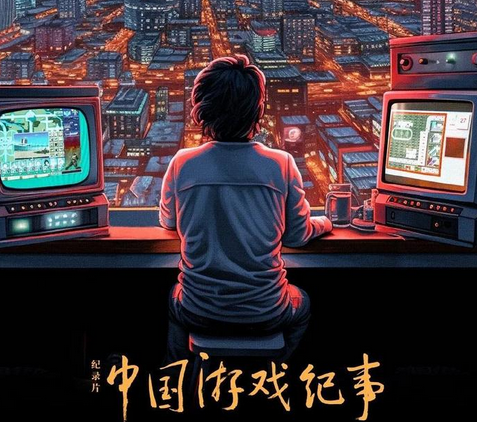
A few months ago, the documentary "Zhongguo Youxi Jishi" sparked controversy on the internet.

Honestly, its creators really understand the gaming industry. The selection of materials is just right, reflecting the development, hardships, and vitality of Chinese games.

But I didn't enjoy watching it, because its protagonist was the Chinese game industry, not Chinese games themselves.

If we're talking about the latter, then our stories as players deserve a place too.

Like those naive teenagers lingering in illegal internet cafés, those children oppressed by "internet addiction," those e-sports dreams that could hardly grow in the past... But all of this was hidden behind the industry's development.

I hadn't actually recalled the little details of those days for a long time.

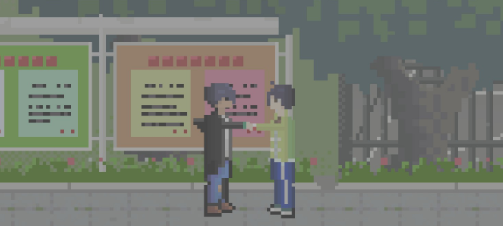
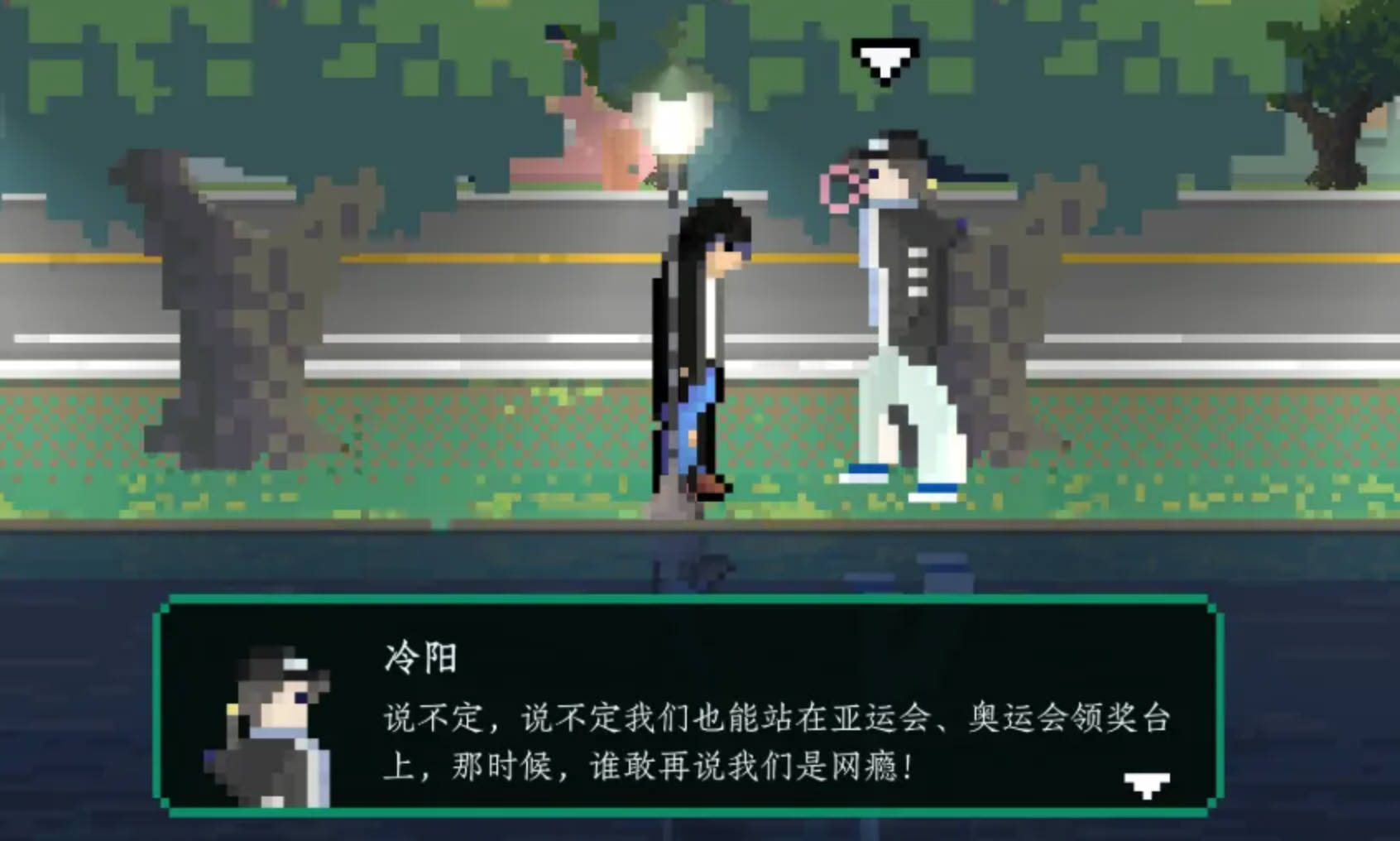
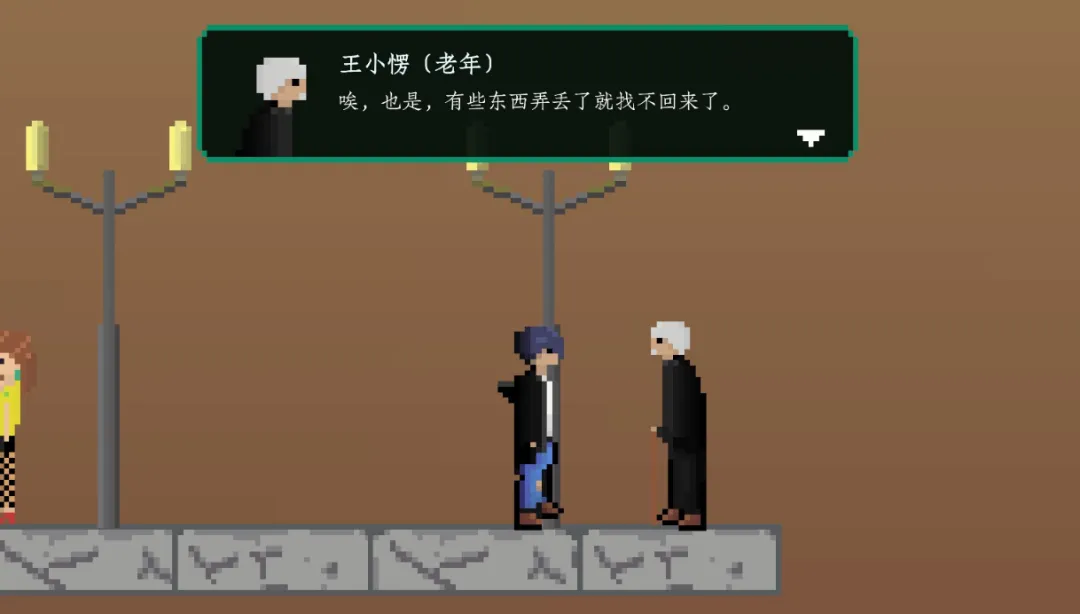
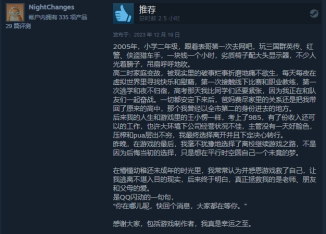
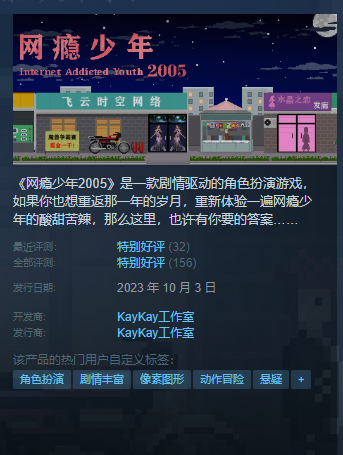
These memories resurfaced partly because the games in the documentary stirred them, and partly because I came across a game called "Wangyin Shaonian 2005".

The reason I tried this game was simple: one sentence in its review section

— "This is the true chronicle of Chinese games."

I was curious why the reviewer said that, so I bought it, downloaded it, played it, finished it, and then burst into tears.

The story of "Wangyin Shaonian 2005" takes place in an ordinary small county town in China in 2005.

The protagonist is named Wang Xiaoleng, a high school student who likes to climb over walls at midnight to go to internet cafés, loves Warcraft III, and dreams of becoming a pro gamer. In the eyes of parents and teachers, he is a textbook "internet-addicted teenager."

Younger friends may not know about that era that once shouted "battle the internet demon."

At that time, the arrival of video games became the perfect excuse for the failures of family education and school education.

Of course, we don't deny the negative side of games; they can indeed make many people expend their energy at the wrong time and in the wrong direction, causing them to neglect their studies. But fundamentally, there are far too many ways for young people to go astray — movies, extracurricular books, celebrity fandom... Games are just one of them.

There is nothing new under the sun. Our parents once faced the same temptations — "martial arts novels," "Hong Kong movies"... and for even younger kids today, it becomes phones and short videos. So it's only the excuses that change.

It was against this backdrop that the protagonist faced a crucial choice in his life

— should he stick with e-sports and follow his dream, or walk the path his parents had mapped out for him?

Wang Xiaoleng was originally confused, because he had no clear understanding of what life was, he was anxious about the so-called future, and the path he wanted to take was one condemned by the adult world. Still, he leaned toward chasing his dream, because he had a good friend; the two went online together, honed their skills together, kept encouraging each other, and talked about everything, strengthening their resolve while sharing each other's worries.

But then, for various reasons, his friend chose to give up. During his friend's struggle, Xiaoleng, hesitating himself, failed to offer encouragement at the critical moment.

The departure of his companion made Xiaoleng lose confidence for a while, but at that moment, he met a good big brother.

The "big brother" portrayed by the game's creators is very archetypal: he stands up against injustice, has superb gaming skills, and is willing to take the young teen under his wing in games while also showing him the way. He is a dual mentor for both gaming and life. With the big brother's help, Xiaoleng gradually came to understand the longing in his heart and made many choices that shaped his life...

While experiencing these scenes, I felt a sense of familiarity. When I was young, I also had a good buddy like that, a game-guiding older brother, and the same life troubles brought on by games. So I projected myself into Wang Xiaoleng and was moved by his final choice.

This also made me curious about what kind of person would create such a story and for what reasons, so I contacted the creator.

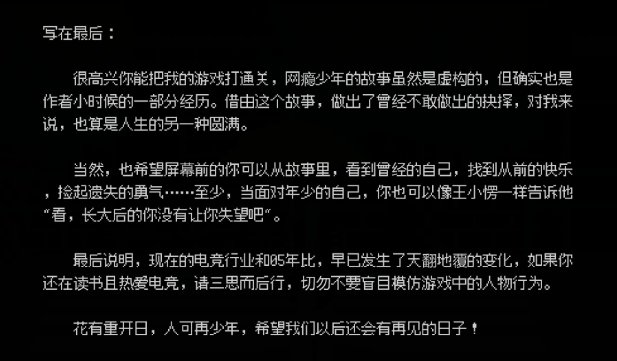
"To make up for the regrets of those years."

The creator, Lao Kay, told me exactly that when I asked.

Lao Kay is a few years older than me. During his middle school and high school years, Warcraft III was at the height of its popularity.

As a hardcore enthusiast, he could already take on multiple insane computers in custom games back in middle school — far beyond a weakling like me who could only manage against the easiest computer.

These results made Lao Kay realize his talent. At the same time, Li Xiaofeng won the championship at WCG, proving that e-sports was a viable career path.

And so the young man developed a dream of going pro in e-sports.

However, his courage didn't carry him to take the final step, so he chose the path society most approved of: the college entrance exam, university, and a job.

But when he looks back, the regret remains. That's why this game exists — because although time can't flow backward, you can still fulfill that dream in a game.

In my conversation with Lao Kay, I realized that although we were hundreds of kilometers apart and different in age, the same frustrations, the same experiences, and the same scars of the era were not mine alone.

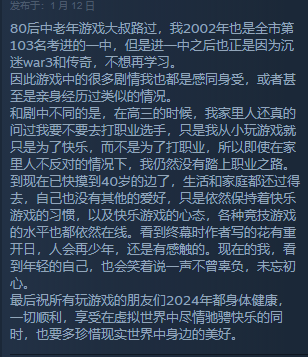
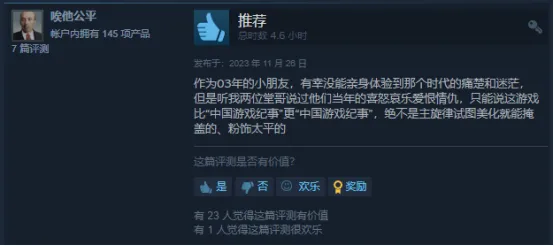
The game's review section is practically a collection of this kind of "scar literature."

There are those who, through Wang Xiaoleng's ending, felt that a parallel world had "fulfilled their dreams."

There are also those who once faced the chance to realize their dreams but chose to give up, and now sigh deeply in the game.

And there are those born after 2000 who, through the game, felt the confusion and pain of past players.

Reading these comments, the marks of that era — not quite suffering, but far from trivial — surfaced one by one in my mind, crossing the distance of ten or twenty years to arrive in 2024.

I only felt out of place, because the "internet addiction war" had already ended.

This was the second time I felt that way; the first was a few years ago.

Back then, I interviewed some "outsiders" at a League of Legends arena. They were the middle-aged and elderly men and women in charge of cleaning, and the middle-aged medical staff.

For people of this age, games should have been something completely unrelated to their lives, yet because of their work, there they were.

Just like androids dreaming of electric sheep, it makes you wonder what the former thinks of the latter.

The older folks felt it was just like the things their own children had been obsessed with when they were young, unable to tell what difference there was between so-called e-sports stars and movie or TV stars.

The middle-aged people were more affected, and among them were two aunties.

I asked them: if their child insisted, would they be willing to let them go into this industry?

The aunties first gave a very "diplomatic" answer, saying that as long as the child liked it and had talent, it wasn't impossible — after all, the popularity of these competitions proved that one could really make something of themselves.

But I added a few more points, saying that the e-sports industry is winner-take-all, that only a few can achieve fame and success, that it depends on youth, and that it conflicts with the traditional academic path.

They were stumped by my questions. After thinking it over, they said:

"It's not like our time anymore. If a kid really has talent, we should support them in chasing their dreams; we can't have them resenting us later. But a future is just as important. If that day really came, I honestly don't know what choice we'd make."

This answer moved me deeply, because back then, e-sports was not even a path worth considering in most parents' eyes.

But now, with the industrialization of e-sports, the times have changed quietly.

Though it's not yet perfect.

But one day in the future, it will eventually evolve into a perfect form.

If that day truly comes and someone wants to understand the full evolution from start to finish, they will need the documentary "Zhongguo Youxi Jishi," and they will also need more works like "Wangyin Shaonian 2005." Because only when the two are combined will the true face of Chinese games be revealed.

Lao Kay and his work reminded me that these stories need to be recorded and retold.

So I wrote this down, to tell you all.

A Thrilling Game Arrives in the Pet-Catching Genre

· 13 min read

Author / Hashichai

Edited by < The Reliable Editorial Desk >

At the end of July, Imo wrapped up its final test before open beta. Combining my hands-on experience from every test from the first through the third, I believe Imo is underrated.

Since the creature-collecting genre heated up, Imo is the most ambitious among the products about to launch.

At first glance, its biggest highlight was "Bonding" — the innovative "human-pet unity" mechanic — which later evolved into a pet-filled open world with nested gameplay modes including dungeon exploration, open-world exploration, roguelike combat, and "loot-fight-extract egg grabbing." By the third test, Imo had refined its dual real-time combat from both human and pet perspectives, its immersive ecological ecosystem experience, while also balancing elements like assist combat and home/base building.

After several conversations with the dev team, I have no doubt that the many deep Pokémon fans on the team are determined to deliver a great creature-catching experience, and I also hope to see them add something different to a gameplay loop that can easily become tedious.

Bonding Is Fun

From the very first test, the "Bonding" mechanic has formed Imo's most distinctive experience. Bonding means the player-controlled protagonist transforms into a pet in the game (an Imo), taking on the Imo's first-person perspective for combat, puzzle-solving, exploration, interaction, and more.

Starting with combat after bonding: every Imo has its own skills and combat moves. Imo's combat strikes a compromise between ARPG and MMORPG difficulty and experience — you need to watch type matchups, break toughness to shatter shields, dodge skills through positioning, and one careless moment can leave you hard-CC'd. Some Imos, thanks to traits like "increased break efficiency" or "bonus damage after breaking," became popular picks during the test.

After transforming into an Imo, players also gain the Imo's traits like flying, swimming, and burrowing. These can be used for traversal and puzzle-solving, making open-world exploration feel smoother — for example, racing minigames, or burning vines with fire to clear obstacles.

The most interesting part is Imo's creature ecology. After bonding, finding other Imos of the same species triggers all kinds of interactions — dancing together with a bonded Piaopiao Flower, lighting the last star of a pentagram, planting seeds to light up a cave, or becoming a butterfly to learn the butterfly family's story. Both the main story and side quests feature abundant content centered on the Imo ecosystem, with rich content and unique interactions — for instance, some Imos speak a language only they understand, which players can only comprehend in bonded form. You may find yourself entering their world just while collecting them.

In the third test, the dev team added new families: the Leaf-Seeking Sheep and the Bubble Octopus. The second test also added 11 new Imos. The team has consistently focused on building the immersion of bonding and the complexity of the ecosystem Imos inhabit.

Beyond bonding mode, the protagonist can also command Imos in battle — this is the "pet assist combat" found in other games. The protagonist uses skills to boost damage or heal the Imo, and can casually point to direct the Imo to attack or solve puzzles, delivering a satisfying "point and strike" feel.

Catching Is Fun

For the creature-catching experience, Imo goes all out to maximize the fun.

In Imo, the ball-throwing action when catching is simple and direct, with no unnecessary slow-motion guidance — you can even throw several balls in quick succession within seconds, then wait for the results. Catch success rate is presented with a straightforward percentage UI, with real-time feedback.

Players can also send their own Imos to battle wild creatures in the open world. Lowering the target Imo's HP increases the catch probability, and can trigger a quick-catch mechanic.

Some expected creature-catching experiences, like back attacks and sleep ambushes to boost success rate, are in Imo. Some novel ones too — for example, during group catches, you can throw out a "Big White Ball" that spreads across the ground like a fluffy cloud blanket, sticking every Imo it rolls over into your pocket. That's fairly unique.

This sense of catching satisfaction has always been the most standout experience Imo has left me with — clear feedback and motivation when you first start catching, and once you're familiar with the controls, you can go hands-free.

Grinding Is Fun

Making creature-catching more fun isn't just reflected in the bonding and catching mechanics. In open-world exploration, in the second test, bonded flight in Imo only allowed soaring without speed boosts; by the third test, it was adjusted so players can accelerate while flying, and also sprint across grasslands.

When it comes to obtaining pet cosmetics, the balance between grinding time for rare skins, their scarcity, and the rewards still has no great solution on the market.

I also asked the dev team a question: "How does Imo handle the experience of scarce cosmetic pets found in other games?" At the time, the answer was that the team was still thinking about it. But players already had an answer during the test.

Iridescent, Shiny, and different weather-based form changes for Imos satisfy collectors' various demands. Moreover, the team simplified the rules for each form. "Shiny," as the name suggests, is obtained by catching with a Shiny Ball, layering a shimmering appearance over the Imo's look, while "Iridescent" is a more special color-changing design.

However, Imo has not turned cosmetic variants into opaque blind boxes for players to gamble on; instead, each Imo's Iridescent form is relatively fixed. For the acquisition process, the team also tried to state the rules plainly — for example, Iridescent is obtained through "Leyline Nurturing": you offer Poké Balls and open-world resources as tribute, and the higher the tribute's grade, the higher the chance an Iridescent Imo appears.

Once the nurturing ecosystem opens, players just need to catch blindly within the circle's designated area. There are also corresponding indicators for how tribute grade affects Iridescent Imo probability, so an optimal strategy exists. All players need to grind is collecting tributes and throwing balls after nurturing. Currently, the third test's Collector's Pass reward also includes an Iridescent Electric Thorn Mantis.

The grind flow for "Rainbow Iris" in special events is also not complicated: after defeating the boss, players simply throw balls mindlessly for a period of time, with a chance of catching it outright during throws, or they can use fragments to guaranteed-exchange for "Rainbow Iris" within the event.

This model is more like a party-game blind box, with rules more familiar to players. Currently, the resources needed for each catch attempt — the pity floor is roughly the amount of two monthly cards — but some players have reported being able to grind and obtain it using only resources stockpiled from dailies.

Overall, compared with existing products that grind for rare cosmetics on the market, Imo tries its best to offer plain language and direct processes for the rules and flow of acquiring rare cosmetics.

Moreover, Imo doesn't stake its selling point on multiple cosmetic variants of a single pet, but rather on stacking known forms of a single pet — e.g., Shiny + Iridescent, Shiny + Weather Iridescent — combined with other forms and custom outfits, delivering a DIY experience.

What Are Creature-Catching Games Really About?

Back to the question of "what are creature-catching games really about?" — typically, players build emotional bonds through story and creature ecology, then engage in full-dex horizontal collection and vertical cosmetic/stat development of individual pets.

This content isn't very varied or novel, and it's generally hard for a single creature-catching mechanic to support an open world on its own. Even if it does, players will quickly feel fatigued. On the market, the balance of heavy vs. light creature-catching design is still being explored: some build classic turn-based catching and PVP for power validation, while others relegate pets to side gameplay like assist combat and home building.

As I understand it, the core of Imo as a product is doing creature-catching right. A large number of team members are veteran Pokémon players, which made this clear from the project's inception — some Imos were designed early on, rather than building the open world first and stuffing pets into it later.

Gameplay-wise, the team initially presented dungeons and open-world puzzle-solving, with bonded PVP races and chases or multi-stage mechanism challenges. By the third test, this system had evolved into a more solid open-world and sandbox exploration experience.

On top of that foundation, the team added fun PVP like "loot-fight-extract egg grabbing" and PVE challenges like "roguelike combat" — a fairly bold attempt to add novel gameplay beyond story and ecology, solving the question of what else there is to play beyond catching.

Plus, with the team's experience from various mature projects, this led to the deeper monetization and progression selling points being pulled forward for concentrated testing in the third test.

For example, the "Transmog" state's skin rerolling presents wings and other cosmetics in exaggerated forms. While the emotional value is maxed out, the corresponding payment intensity and rewards are actually more familiar to MMO players. Progression also added a fairly long-term carried-items system.

In offline communications, the dev team explained that progression was designed to give players more headroom when facing high-level or level-skipping monsters in the open world. In other words, although this system looks intimidating, it isn't mandatory. Similarly, with transmog skin rerolling, we've only seen streamer KOLs spend thousands to acquire them — the effects are cool, but they're not necessities either.

Imo has no forced PVP power validation; the only PVP mode, loot-fight-extract egg grabbing, leans more toward entertainment. Most progression power and bottlenecks are in PVE designs like open-world and roguelike challenges — no need to pay or grind for the sake of "winning."

And as I understand it, the acquisition method for "Transmog" cosmetics is still being explored and may change at open beta; likewise, the carried-items progression system may also be adjusted at open beta.

It can be understood that Imo still places its focus on the average player's experience of grinding for rare Imos and rare cosmetics, optimizing the process there, while designing some deep monetization content for players with more capacity to grind or spend heavily, satisfying their emotional needs.

This isn't an absolutely correct solution, but it is indeed an exploration and answer within the questions of "what should creature-catching games be about?" and "what else can they offer?" Returning to the original design intent, Imo has always aimed to be an all-ages, global, all-gender creature-catching product — which is also why Imo seems to carry a bit more than just creature-catching and pet ecology alone.

This also explains why Imo's art style looks less than unified. Someone close to the team told me that from the project's inception, they wanted the art to emphasize a "fluffy" direction as the basis for design interpretation. This has been upheld since the first test, and to some extent sacrificed the art's own exaggerated and personalized expression.

But players can still easily find their favorite — like the soft and cuddly "Xingledi" and "Fluffball Sheep," or the cool-styled "Quenched Blade Mantis" and "Armor Warrior."

Some Hopes

Finally, I have plenty of complaints about Imo too.

On the rare cosmetic grind alone — although the process is faster and clearer, the path from nurturing quality to Iridescent probability isn't broken down transparently enough, and there's still a certain learning curve.

Imo doesn't force progression or monetization, but there are simply too many modules, which doesn't make for a great impression; many side stories and open-world dungeon exploration are quite good, but take time to appreciate; and bonding offers plenty of variety — could even more be built around it?

These issues and characteristics make Imo a somewhat slow-burn product. For example, the newly added home gameplay includes bead art — in the second test this feature was incomplete, but by the third test players were already immersively doing bead art in-game.

Before the third test, Imo was more like a product with ambition and ideas. In the third test, the team served up everything they wanted to do and everything they were unsure about for players to experience in depth. As it stands, Imo's foundation is solid enough, and combined with pet bonding — bringing different perspectives on combat and ecology plus the mechanical fun of catching — it has unique differentiation and competitiveness in the creature-catching genre.

I'm very much looking forward to what adjustments Imo makes at open beta to the pacing of its deep monetization and progression releases — and even more, whether it can spark a defining battle in the newly heated creature-catching genre and get developers competing with each other.

Officer, it's him, after dating a thousand-year-old female ghost, he corrupted underage girls in the late Ming Dynasty.

· 13 min read

This article is reproduced with permission from Qingbao Ji (Geek Intelligence Agency).

Text by: Chun Ci

Approved by: Cai Bao

Layout by: Lu Jiu

Good evening, everyone who clicked on this article and its cover.

As you can see.

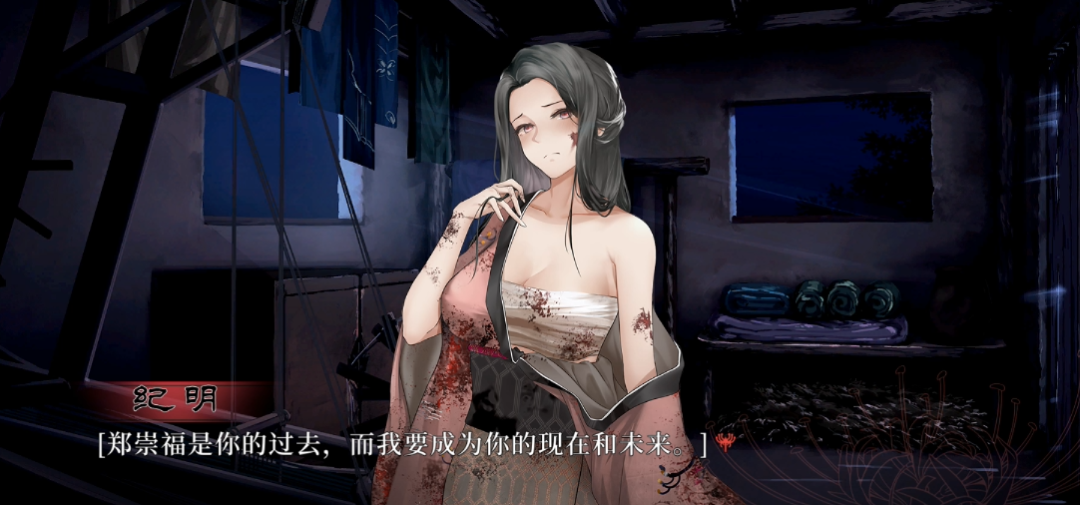
Today’s topic is The Hungry Lamb: Traveling in the Late Ming Dynasty. The article contains spoilers; cautious readers should take note.

Regular viewers familiar with Qingbao Ji should know.

We once had an in-depth conversation with Ji Ling, the creator of Hungry Lamb, during our previous talk about Burying Flowers: The Dark Peach Blossom Spring.

Yes, it was that in-depth XP talk from the end of October 2021.

I like married women, and he likes long black hair, plus that "one hand fits perfectly" bit...

After finishing Hungry Lamb, I decided I had to gank him again at some point.

On a certain afternoon mid-month, when the roads and people were practically baking in the heat.

I finally met up again with Ji Ling and his faithful team at Zero Creation Games’ office.

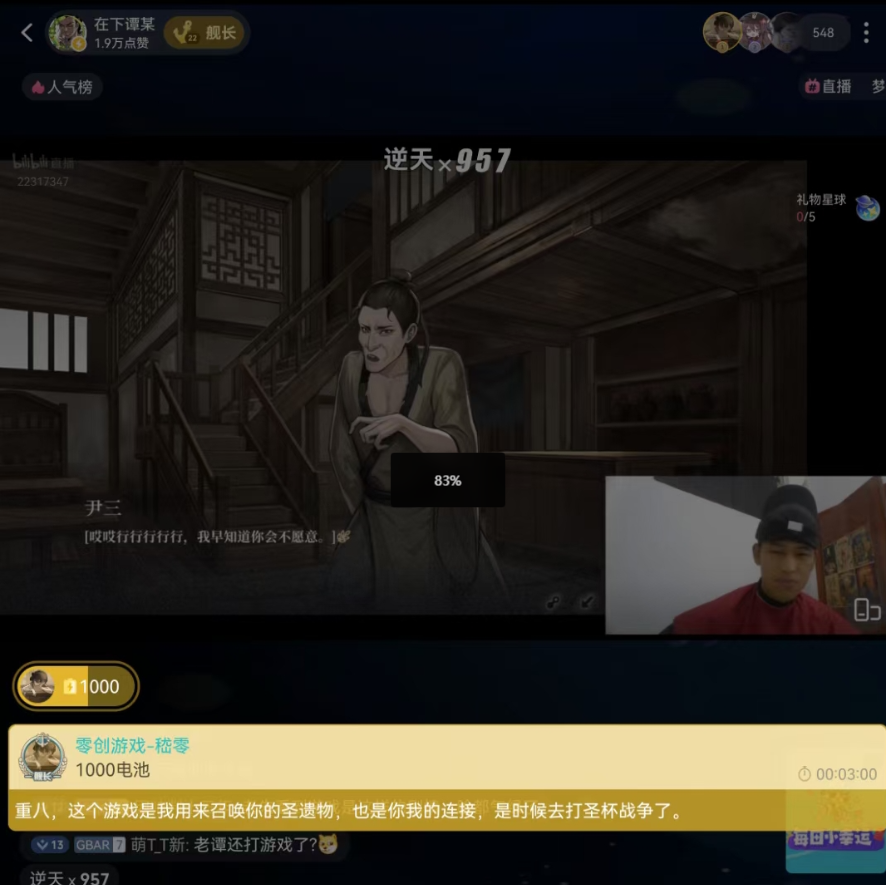
When I saw his office banner had changed from the female lead Shuang Hua of Burying Flowers: The Dark Peach Blossom Spring to Sui from The Hungry Lamb: Traveling in the Late Ming Dynasty,

I knew this guy hadn’t changed.

That familiar "one hand fits perfectly," that familiar fresh-faced girl look, that familiar long hair...

Not only that, the familiar tendency to mess with the players had also returned.

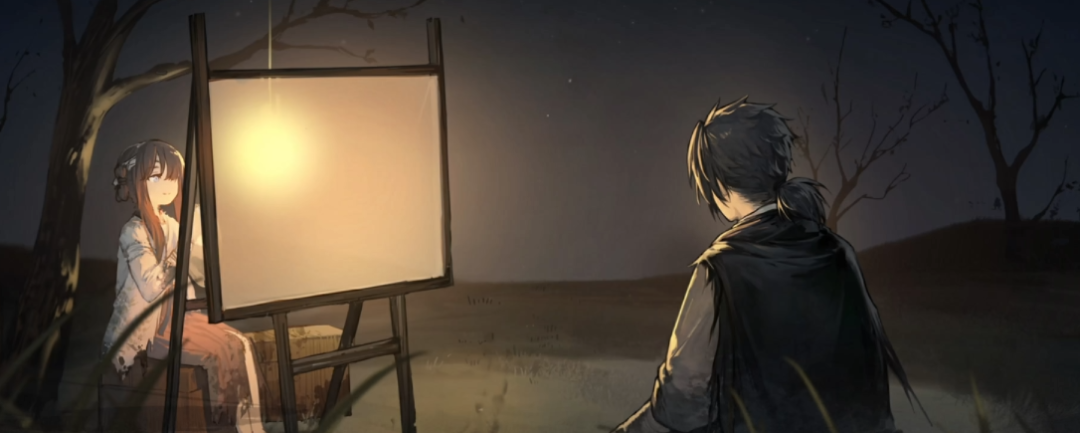
The most poignant part of Burying Flowers: The Dark Peach Blossom Spring was the choice between eternal companionship and mutual death among its multiple endings.

Either stay in the eternal day or eternal night, living forever in the Peach Blossom Spring amidst lies and truth, or escape together and live for just seven days in the outside world before dying together.

This choice of life and death together is even harsher in Hungry Lamb.

In the true ending of Hungry Lamb, where they live together and flee to Yangzhou, they then face the Ten Days of Yangzhou. (A brutal massacre carried out by Qing troops against the defending soldiers and civilians of Yangzhou during the transition from Ming to Qing.)

As expected of you, your mental state is really something else.

Anyway, our meeting this time was very pleasant.

But since the setting of Hungry Lamb is the cruel era of the late Ming Dynasty, a time of "great famine and cannibalism," discussing XP is a bit too much.

So, what we talked about this time was serious creative work.

So then.

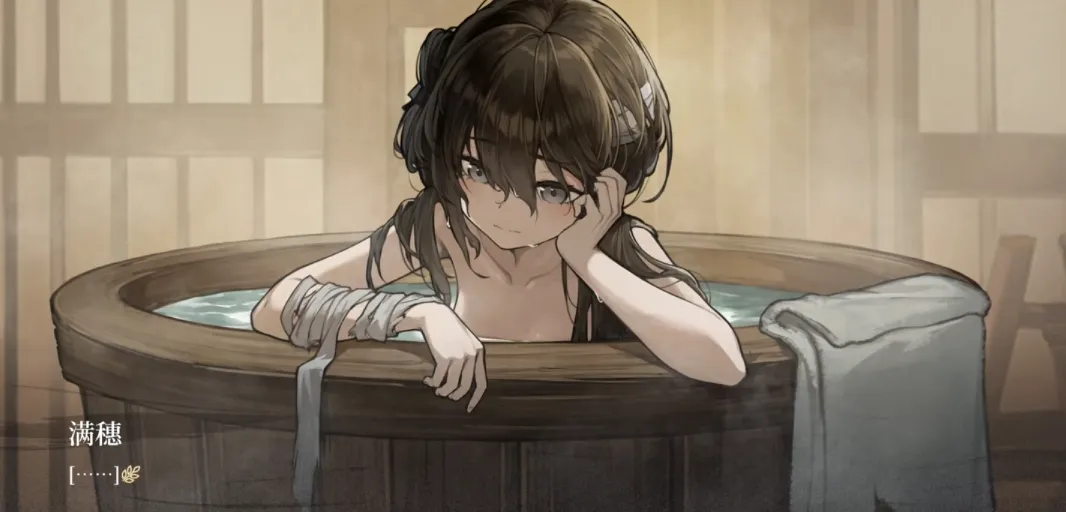
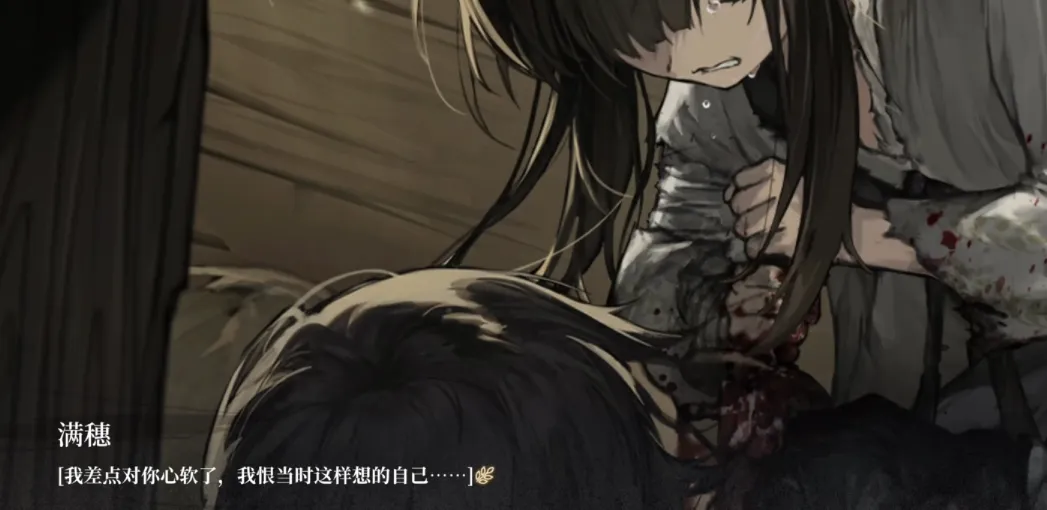
"Why did you draw the scene CG of Sui taking a bath, knowing you might be criticized for child erotica? Are you really trying to pull off that 'raising a young girl' trope?"

I promise I only got cheeky that one time.

Because anyone who actually finished the story's ending couldn't possibly ask such a terrible question.

Actually, the reason for this scene is very simple: after walking for over ten days on mountain roads, these little girls were starting to stink, so they were thrown into the bathhouse for a wash.

The protagonist Liang, as a human trafficker, couldn't let them run off, so he just watched them bathe.

There's even a scene later where they bathe together.

The bathing-together scene is even more intense. It happens after Liang betrays his companion, kills the fellow trafficker "Tongue."

Sui witnesses Liang personally cutting Tongue into pieces in the bathhouse, and then the two of them use the hot water to clean up the corpse and blood. After finishing, they hastily wash themselves together.

This part of the story is quite important.

It's a significant turning point.

And to make the subsequent narrative coherent, I must first give you all a deep analysis of Hungry Lamb.

Liang's character is depicted with a lot of wavering and confusion throughout the story.

This includes his self-comfort ritual of picking up keepsakes from the deceased to give himself a bottom line, as well as his principles for not being a trafficker.

Later, we learn that his main reason for not wanting to be a human trafficker involved in smuggling children is the PTSD from his father's death back then.

In a way, Liang's spirit was frozen on the day he lost his father, while his body grew older with time.

Although Liang himself thinks his inner confusion is about whether to be a wolf or a chivalrous hero.

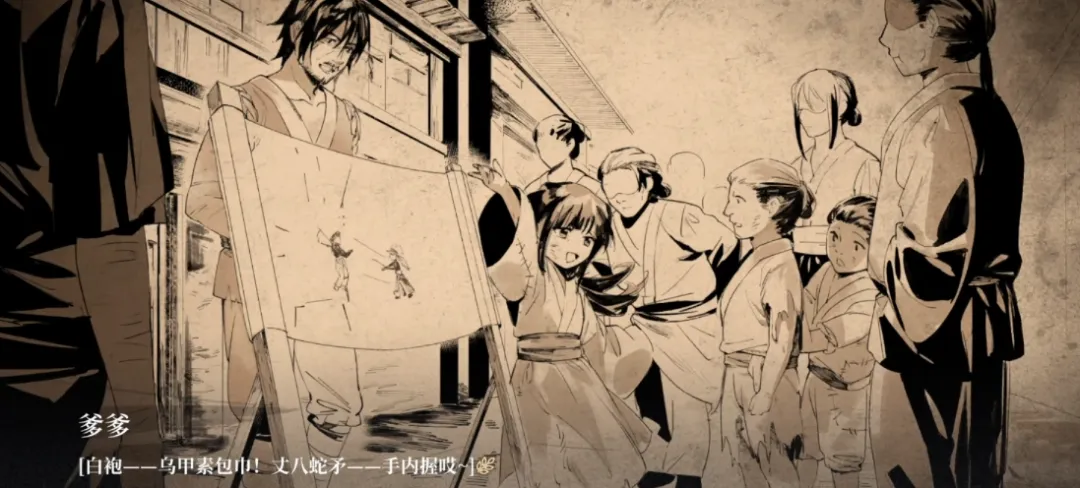
In reality, Liang has been avoiding recalling the moment his father left him, which was when the two of them went to see a shadow puppet show together.

This mirrors Sui; the driving force behind Sui's desire for revenge also stems from her father's death.

The difference is that Liang was forced to become a wolf by the old times.

However, Sui, who also experienced the loss of her father but faced an even crueler reality, remained strong-willed and desperately fought her way onto the path of revenge on her own.

When we talked about this, Ji Ling mentioned a point to me: "For Liang, Sui is very attractive because she is extremely determined and rational, clever in her actions but with strong principles."

Indeed, a lost person is always curious about why others can be so determined and will search for that reason.

But that reason happens to be fatal for Liang.

Because Liang personally killed Sui's father.

"Liang wavered, and Sui realized this too," Ji Ling explained.

Right at the start of the journey, Sui had hidden a knife and tried to ambush Liang, but Liang chose not to kill her.

"She also needed to confirm whether it was truly Liang who killed her father, or maybe Tongue, or the escaped soldiers, or bandits, or perhaps she found it on a corpse. Sui is still quite kind."

Sui tested him many times, during the bath scene being one, but the main test was regarding the [shadow puppetry].

Shadow puppetry is an important motif that runs throughout Hungry Lamb.

As mentioned above, both Liang and Sui were audiences of shadow puppetry in their childhood, and the event of losing their fathers is related to it.

Having grown up, they are now the lead actors in the drama of this cruel era.

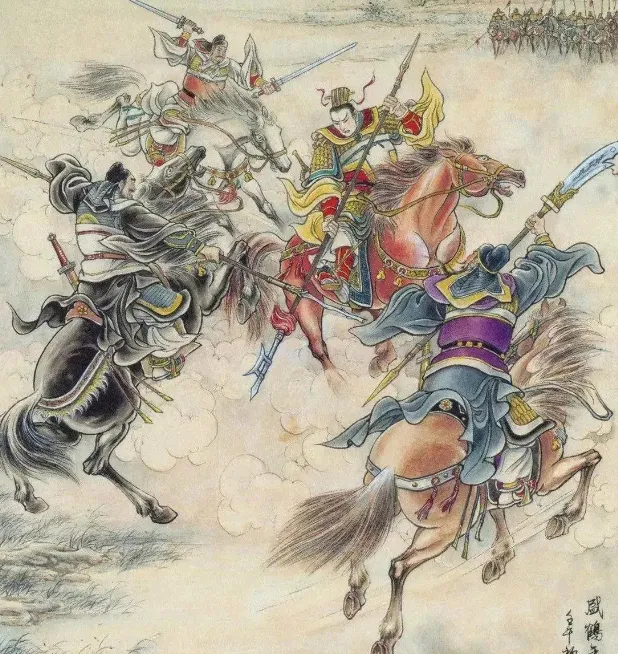
And the chosen play, Three Heroes vs. Lü Bu, both embodies Liang's wish to become a chivalrous hero and subtly implies that under the crushing wheels of this brutal era, whether it’s a powerful wolf like Lü Bu, or chivalrous heroes like the Three Heroes (Sui), neither comes to a good end.

This is just my personal interpretation. When Ji Ling and I talked about this, his thoughts were more direct.

"Any kind of emotion has to start with contact, whether it's love or anything else. There needs to be at least a common ground or resonance."

Therefore, Sui witnessing Liang kill "Tongue" is a very important turning point.

Because the two of them dispose of the body together, bathe and see each other openly starting from here, the issue Sui contemplates changes.

It's both a physical act of baring oneself and a spiritual act of honest self-questioning.

By then, Liang had already found his answer.

He was beginning to turn back from the path of the wolf.

So from this point on, the one who wavered was no longer Liang, but Sui.

And this is where the story of Hungry Lamb truly penetrates the reader's heart. It is indeed the old trope of mutual redemption.

But the redemption in Hungry Lamb isn't the assembly-line type found in fast-consumption fiction, where one simply lends a hand when the sufferer is sad, and redemption is complete.

The redemption in Hungry Lamb is built upon making choices.

Why does the first ending, [Vanished], have such a lingering impact?

Because this decision was made by Sui.

We can all feel that deep down Sui is beginning to rely on Liang, yet she still chooses to leave.

It is both reality's punishment on Liang, the avenger of her father; Liang finally no longer has to be confused, finally welcoming an ending that can tear apart all his uncertainties.

It is also Sui's final decision to stay true to her original heart, choosing the beauty of the rift: "If you can't help each other in hardship, then forget each other in the world."

Many people might be full of sympathy for Sui's experiences, because her entire childhood was spent suffering.

Unable to get enough to eat, her beloved cat was eaten, verbally abused while performing shadow puppetry with her father, her mother favoring males over females, and finally her whole family going mad, resorting to cannibalism...

But sympathy can make people unconsciously ignore what this sufferer truly thinks.

Sui has a central question that runs through her life.

Before becoming an avenger who raises her blade against the enemy, she devoured her own flesh and blood to survive, and they were all people deeply loved by her father.

How could she ever face her father?

Her father is dead, and by avenging him, she might have a sliver of dignity to face him.

But Liang's transformation stripped that away.

Ji Ling said, "Both Liang and Sui carry some form of original sin; that's the foundation of their empathy."

He also mentioned he didn't want to write about simple romantic love between a man and a woman; he wanted to use the highest form of love.

I remember after Burying Flowers, Ji Ling wrote a letter to the readers titled "Thank You for Letting Me Die Without Regret." Indeed, for this person, romantic love was already there.
As for the highest form of love, whether Hungry Lamb has achieved it, I think everyone who has ever been loved will have a different answer.
But one thing I am certain of.

Regarding redemption, the mutual redemption in Hungry Lamb is not a lofty light, but a flickering flame in the darkness. Getting too close will burn the other.

Only by enduring each other's burns can one see themselves clearly reflected in the firelight.

This is what I find most precious about the work The Hungry Lamb.

Having talked this far, I think you all can see that the so-called "child erotica" is just another old-fashioned moral accusation.

We don't want to delve into the issue of morality either. After all, Hungry Lamb's strength lies in its restraint where needed, its expression where needed, and its rich emotional connections between characters.

Let's skip that.

So, onto the second question.

"What's it like being hunted down by Ming Dynasty fans?"

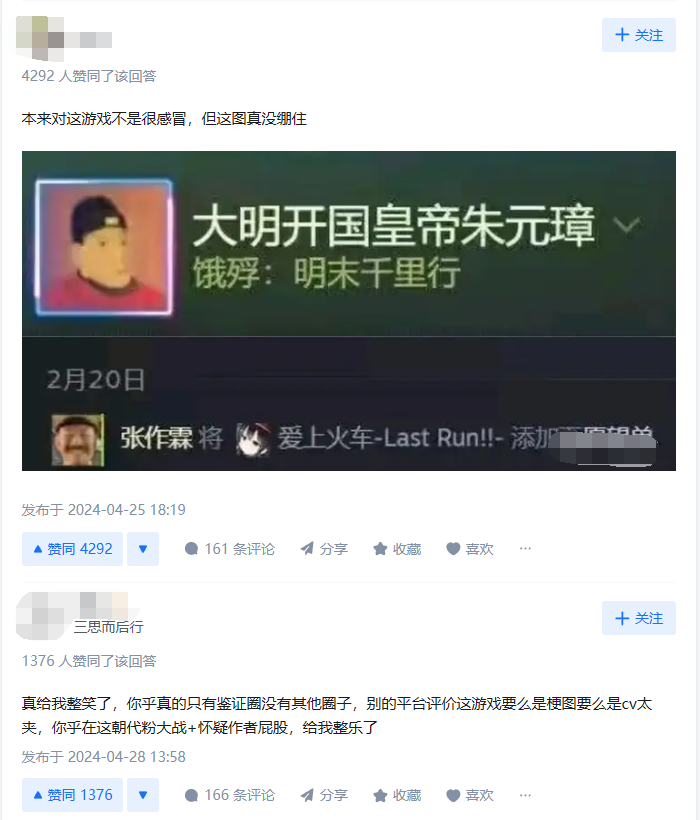
Ji Ling answered: "Besides Ming Dynasty fans, I've also had six different hats thrown at me by six different groups, including radical feminists, male chauvinists, and national galgame connoisseurs."

"But I respect the Ming Dynasty fans the most. Their promotion for Hungry Lamb was the MVP. They drove up the traffic for me on all platforms, and then they didn't even go to STEAM to give me bad reviews..."

Ji Ling thought for a moment and summed it up in one sentence.

He chuckled.

"Sometimes haters are really handy, you know? They're most active on Zhihu..."

"All the comments on other social platforms are about the emotions, the characters, the plot. Only on Zhihu it's different."

"They're discussing politics."

After hearing this, I couldn't hold it in either, and the office was filled with a cheerful atmosphere.

So, the third question.

"One of the STEAM reviews said that HANSER's voice acting in the early part felt so full of energy it could punch a hole through this useless college student. Ji Ling, what do you say?"

"Actually, this one's my fault." Ji Ling admitted to taking the blame. "For the first part, we conveyed that the dubbing should have a bit of a playful, relaxed atmosphere, and it ended up sounding like that."

He explained: "But if you look at the later parts where she voices the carriage regret ending and the fireworks departure scene, there's no such problem."

Actually, after that, Ji Ling and I also talked about some specific techniques, operational details, and historical fiction writing.

There's really a lot I wanted to write about.

But that would require massive space explaining things unrelated to Hungry Lamb.

The length wouldn't allow it, and it wasn't the original intention of writing this article.

Ji Ling and I hadn't seen each other for a long time, but when we sat down to chat again, we were in that same relaxed and carefree state. I think that's important.

It's not to emphasize how amazing Ji Ling is for balancing commercial success and script expression, but because he always knows what he wants.

If I have to find an ending for this article, I think this state is very fitting.

I remember leaving the office, and we said we'd find somewhere to grab a bite.

While walking, I joked with him: "I think someone like you, combining national galgames, anime, and history, should be able to open a new path for national galgames, right?"

Ji Ling only humbly replied: "Hard to say."

"Is it because people who like history don't necessarily like focusing on the small people in the tides of history?" I thought along the lines of his answer. "True, the more books many people read, the stronger their desire to express themselves, and the more prone they are to getting literary pretensions."

"Maybe."

Ji Ling walked ahead of me. The setting sun, gradually falling between the buildings, was still pouring its lingering heat. The afterglow cast shadows on his face.

He looked like a literary youth.

"I just mean, before writing these things, you still have to remember it's an ACG work... There has to be love."

I thought about it, Ji Ling is right.

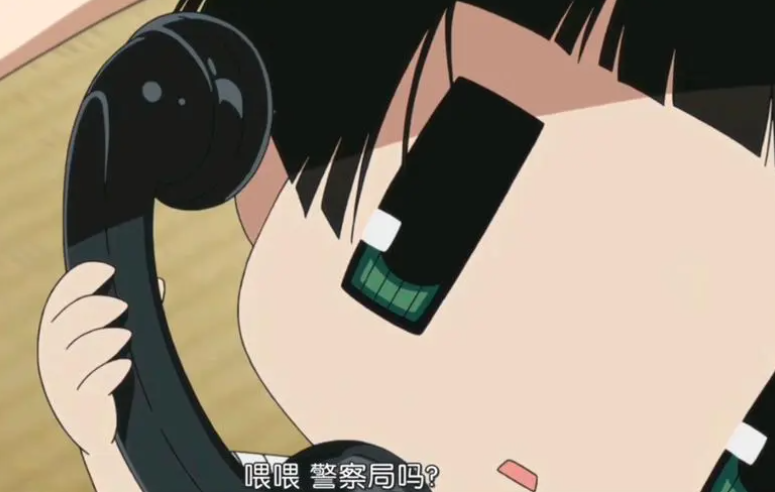
"Officer, are you there? I'd like to report someone."

"This guy fell in love with a thousand-year-old female ghost, then went off to harass underage girls in the late Ming Dynasty."