Animators behind Luo Xiaohei create an unprecedented Pokémon anime
This article is reprinted with permission from "Animation Academics"
“Pokémon & HMCH! A dream collaboration for fans of both!”
“Gently blending in our daily lives, it’s so immersive and down-to-earth for Pokémon!”
“Crying! I want to live in such a world. I can’t live without Pokémon!”
On February 2nd, just as most people were about to embark on their journey home for the holidays, the official Pokémon channel delivered a surprise gift—HMCH, the studio behind acclaimed animations like The Legend of Hei and All Saints Street, collaborated with the franchise to release a Pokémon animated short titled A Warm Journey.
A Warm Journey continues the unique characteristics of HMCH’s previous works—it features solid animation quality, exquisite art, and polished audio-visual language design, all wrapped in a warm and healing atmosphere.
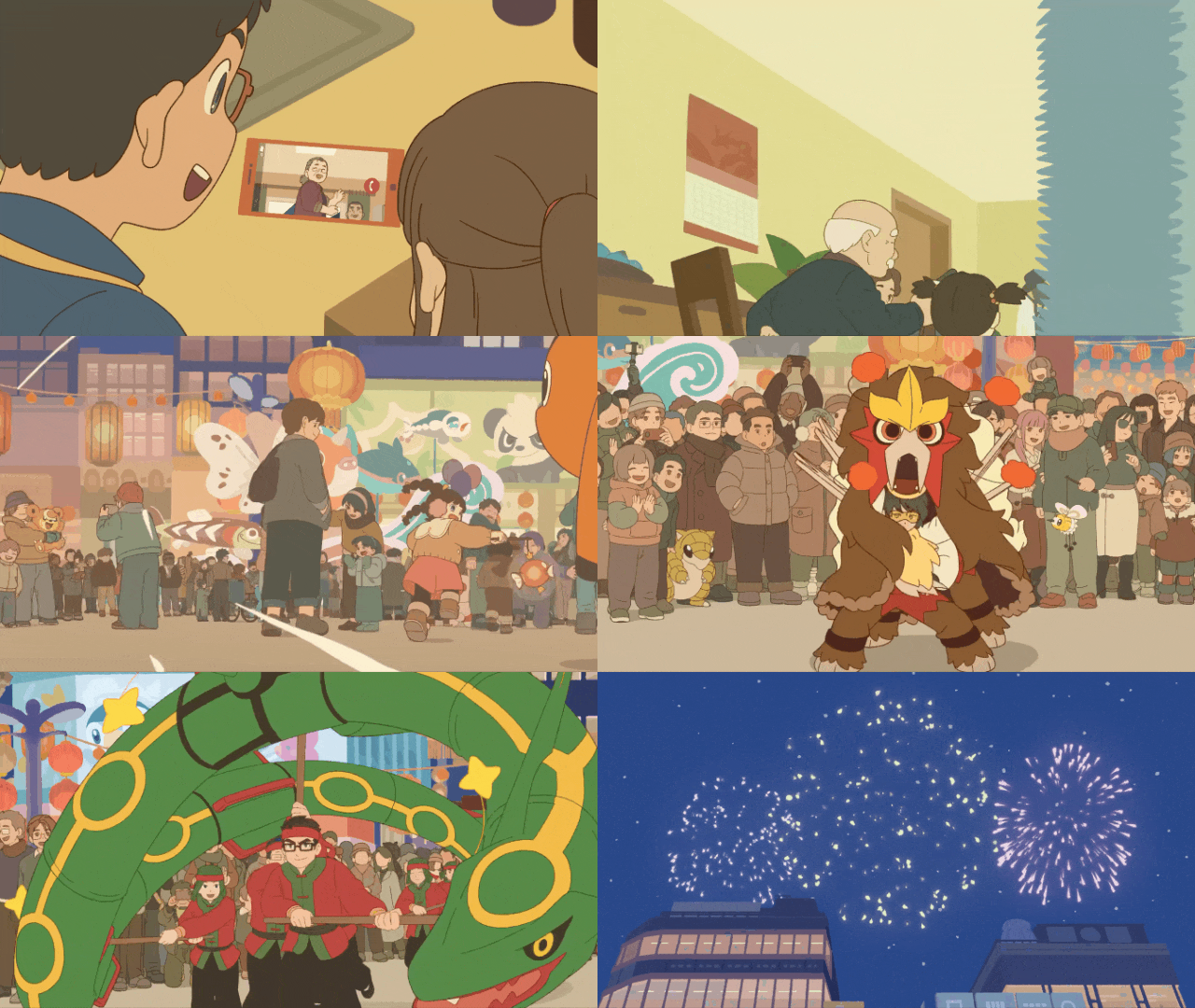
What truly moved and resonated with fans was the production team’s deep understanding and creative vision of Pokémon culture, as shown through the short’s content—
A Warm Journey takes the highly localized theme of “returning home” as its entry point, vividly painting a dreamlike scene where Pokémon live alongside people and embark on their journey home at this special time. For many Pokémon fans, this is a glimpse of the life they’ve fantasized about.
As of writing, A Warm Journey has garnered over 3 million views across all platforms.
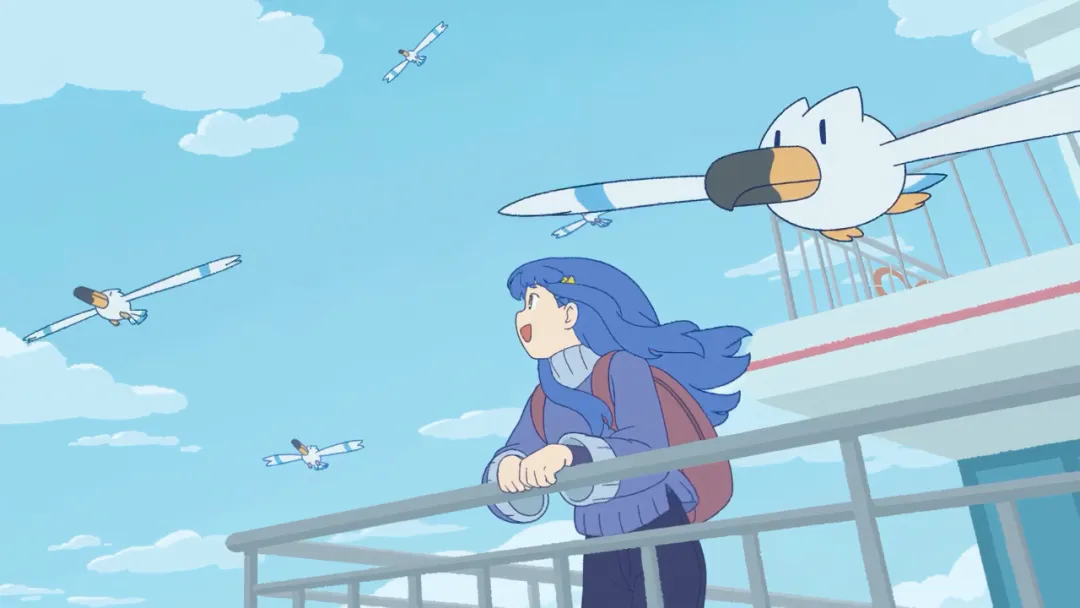
Interviewee Introduction

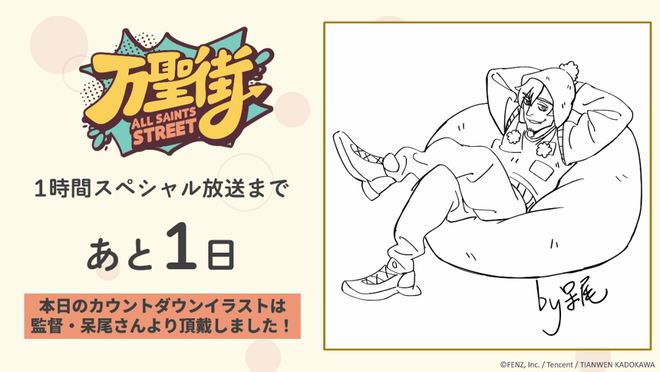
Graduated from Sichuan Fine Arts Institute in 2016.
After joining HMCH, he contributed as a key animator, storyboard artist, and director to productions such as the The Legend of Hei movie, Winter Olympic Games: The Legend of Hei’s Morning, and All Saints Street, known for his delicate direction and fast drawing skills.

-Interview Text-
Bifang: A Warm Journey has received an enthusiastic response from Pokémon fans both at home and abroad, with many praising you for “knowing the ropes.” Before participating in this production, how deep was your understanding, along with the HMCH team, of Pokémon? Were there many hardcore Pokémon fans on the team?
Daiwei: I started getting into Pokémon in elementary school. Back then, Pokémon games were popular in my class. Thanks to a good exam score, I pestered my mom to buy me a game console and a Pokémon game as a reward. From there, I gradually got into Pokémon manga and anime, and the franchise accompanied me through much of my childhood. So working on this short was a dream come true.
The team also has many deep Pokémon fans, like A-Bang and Ji'er who handled the script and background art, Xiao Huang who worked on the setting and served as animation supervisor, Kali who did key animation, and Mao Zha who worked on backgrounds—all are experienced players or anime fans who really know Pokémon.
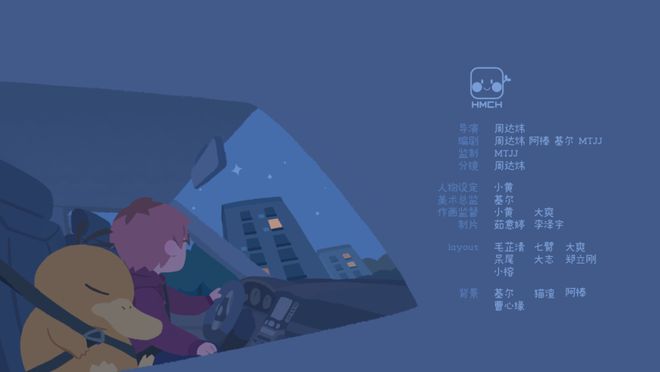
Bifang: A Warm Journey chose “returning home” as its theme, painting a picture of Pokémon and Trainers traveling home together. How do you understand the uniqueness of this theme? Why did you decide to combine Pokémon with this theme in this particular story format?
Daiwei: Because I myself am a “wanderer” who’s been away from home for many years, and my hometown is quite far, so I don’t get many chances to go back each year. The theme of “returning home” really resonates with me. There must be so many people out there in the same situation as me, drifting away from home. I think no matter where you are, the idea of going home evokes deep resonance—home is always our harbor.
Creatively, after several discussions with the Pokémon team, we decided to try making a New Year-themed Pokémon short. The Pokémon team also gave us plenty of creative space and freedom.
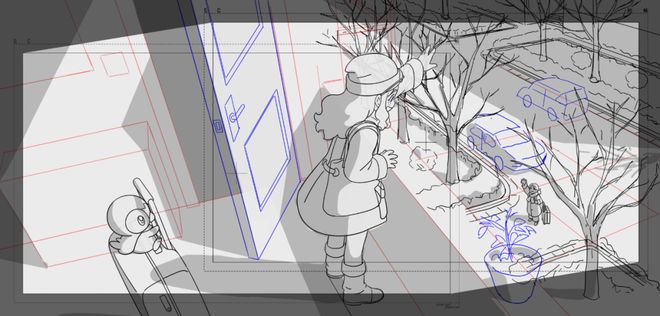
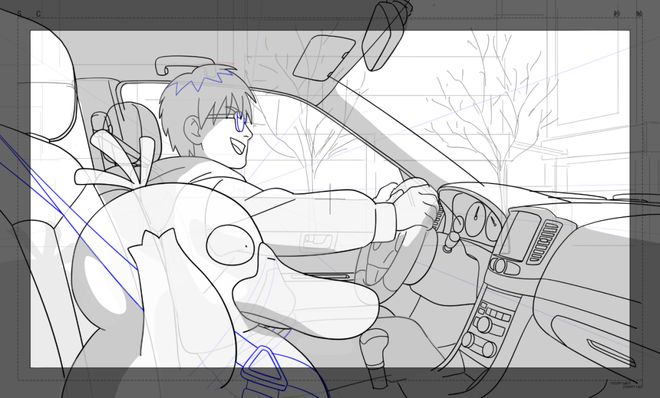
So we started brainstorming stories with the writers around the New Year theme. At first, we gathered ideas, collecting all sorts of creativity about the New Year and Pokémon. After several rounds of discussion and integration, we settled on “returning home” as the main thread to tie together various ideas.
After all, when you talk about New Year, who doesn’t think of going home? At the same time, returning home and reunion are universal themes that allow Pokémon fans from different cultures to experience the same Pokémon world.
Bifang: The short features a large number of Pokémon from various generations, many of which aren’t the most familiar to Chinese audiences. Yet their appearances are very fitting and match their personalities—like the Togepi held by the patient. I’d like to ask, among the vast selection, what were your principles for choosing these specific Pokémon?
Daiwei: During the script phase, we first decided which New Year-related events would appear, then considered which Pokémon personalities could connect with those events. Finally, from among Pokémon with those personalities, we chose those that are widely known or that we personally like.
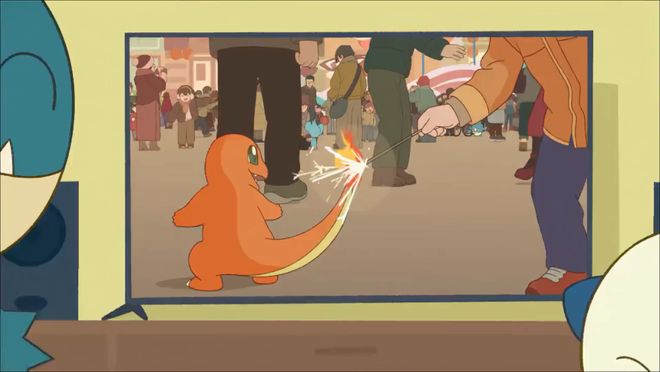
For example, during New Year, we set off fireworks—so could Fire-type Pokémon help with that? That made us think of Charmander using its tail flame to assist. Another example: we wanted a spring-cleaning scene, where moving tables and cabinets is tough, so we thought of a Pokémon with psychic powers to help, and chose Ralts.
What the script didn’t cover was supplemented during the setting phase. For instance, the idea of using Minior for the dragon pearl in the dragon dance was something Xiao Huang thought of during that stage.
Next came the storyboard phase, where we selected Pokémon based on visual needs. At this point, we sometimes changed or replaced Pokémon from the original script, considering factors like size, color suitability in the frame, and whether they could perform the required actions.
Finally, during the production phase, we picked Pokémon for the background crowd. The same principles applied as in the storyboard phase. Throughout the process, the Pokémon team gave us many valuable suggestions and feedback, which made the selections even more fitting.
Bifang: The short was inspired by many domestic elements and scenes, sparking imagination. I also noticed you thanked two “writers” on Weibo for providing “tons of brilliant, interesting, and life-like Pokémon ideas.” Could you share some examples of inspirations for specific segments and interesting stories from the creation process?
Daiwei: The whole story was co-created by myself, writers A-Bang and Ji'er, and Mu Tou.
At first, our ideas were closely tied to the New Year theme, like setting off fireworks, dragon dances, and lion dances.
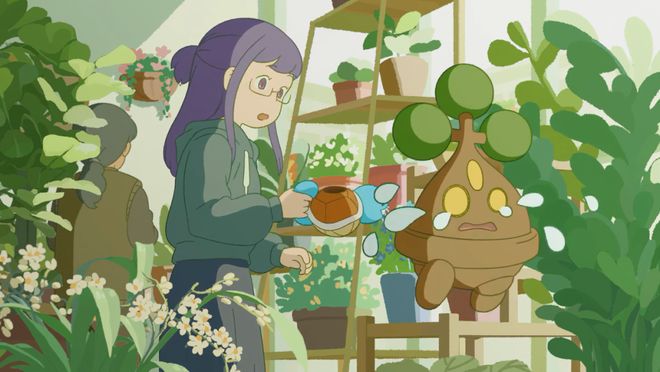
Mu Tou then suggested that daily life scenes back home could work too, not everything has to be directly linked to New Year. So A-Bang came up with the watering scene, incorporating Bonsly’s fear of water as a personality trait.
When depicting the journey home, we wanted to show various modes of transportation—land, sea, air, and riding Pokémon. Ji'er thought of Bagon’s desire to fly, so we placed it at the airport watching planes take off.

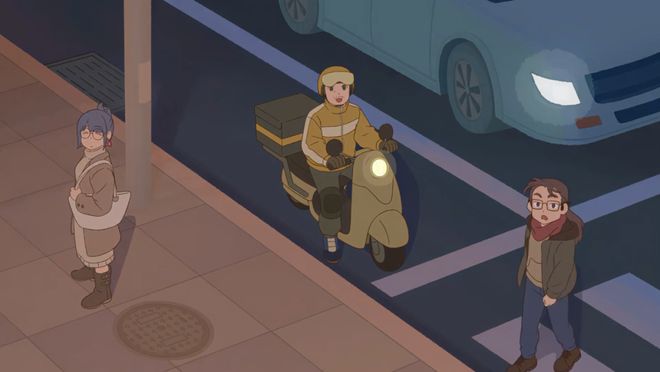
A-Bang originally wrote a scene where nurses celebrate New Year at the Pokémon Center. That reminded me of people still working during the holidays, so while drawing the storyboard, I included medical staff, traffic coordinators, and delivery drivers.
It was through this mutual discussion and inspiration that the creative ideas for the short came together.
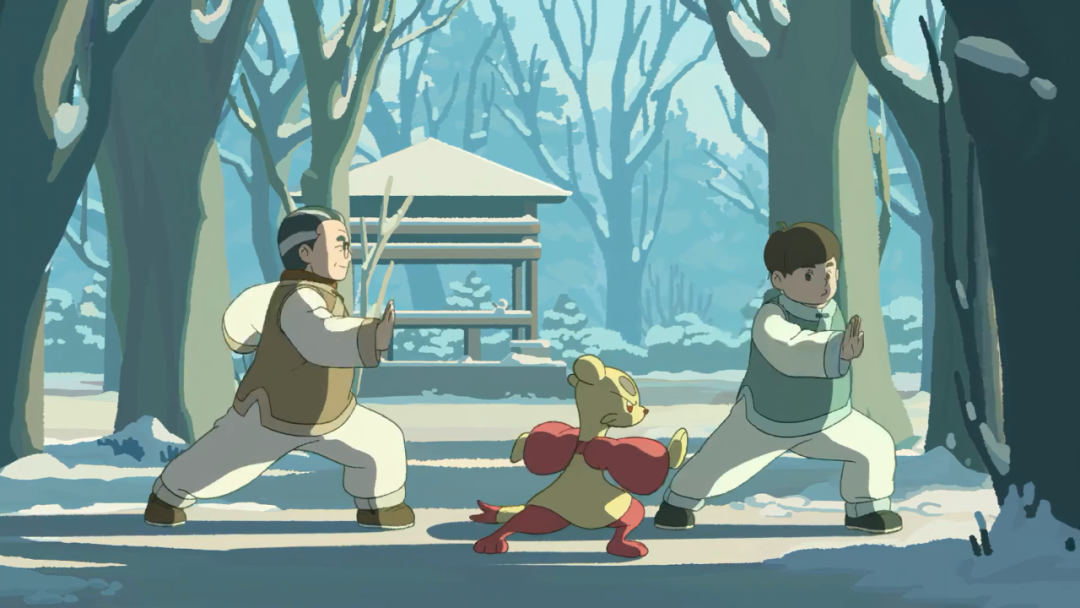
Bifang: The short incorporates many domestic elements and scenes, like Magikarp window decorations, an Arcanine “lion dance,” a Rayquaza “dragon dance,” traffic jams reminiscent of Spring Festival travel, the ecology of a green train, and people practicing tai chi in parks—these feel very familiar.
Pokémon is a global IP with a wide audience worldwide. How did you conceive and select these domestic scenes and elements, and blend them with Pokémon features?
Daiwei: When choosing life scenes, we tried to pick ones that would resonate with as many people as possible, as well as things that had happened to me personally that I could relate to. At the same time, they had to feel natural in the Pokémon world without being jarring.
The choice of the green train mainly came down to its seats facing each other, with a small table in the middle, which creates a stronger sense of interaction between people and Pokémon. For traditional Chinese elements, we wanted those most recognizable to people worldwide, so we chose scenes like tai chi in the park and dragon and lion dances.
My understanding of blending Pokémon with reality is to imagine what the world would be like if Pokémon really existed, which elements would become which Pokémon, what the scenes would look like, and which Pokémon I’d most want to do these things with in real life.
Bifang: This short continues HMCH’s trademark high-quality production. Could you share from your perspective the highlights and challenges of creating A Warm Journey on the production side?
Daiwei: A highlight is that this time’s art style is different from previous HMCH works. Art director Ji’er has a very distinctive approach to color matching; the overall color scheme is harmonious and pleasing, and the background painting is excellent! Plus, the animation is still very smooth—thanks to everyone!
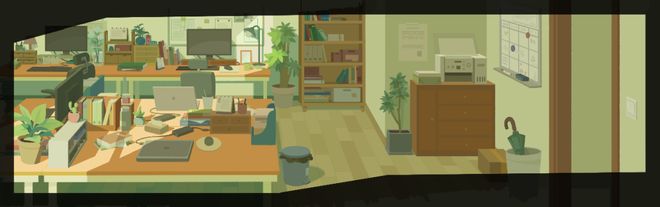
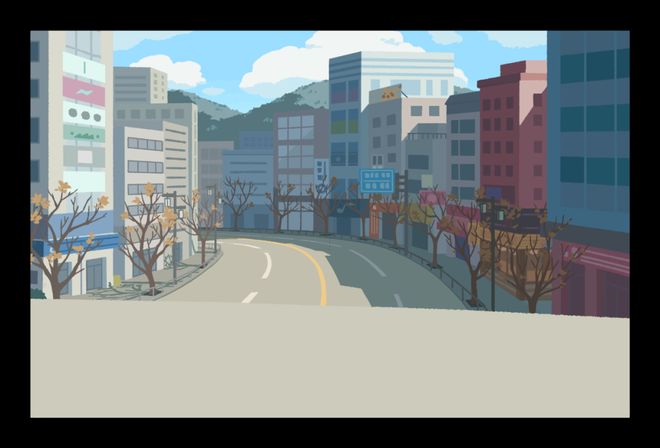
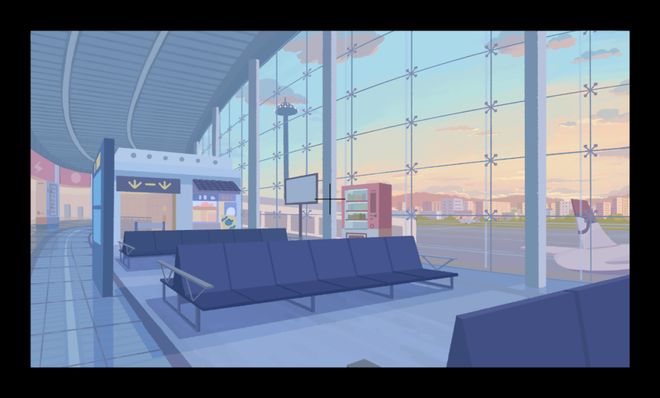
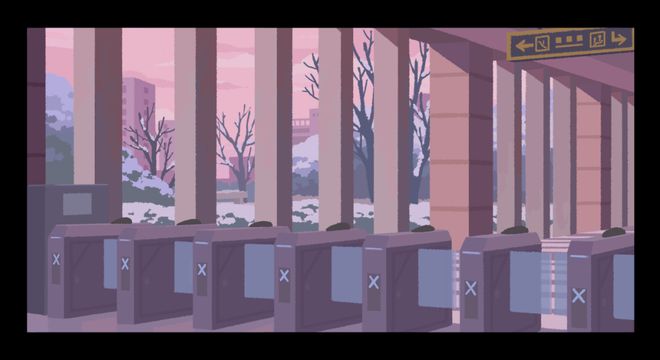
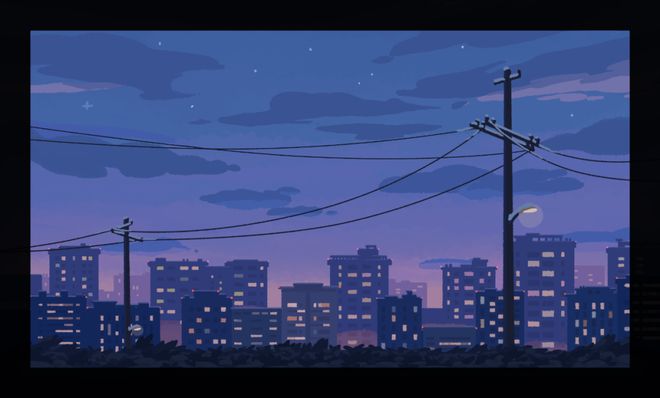
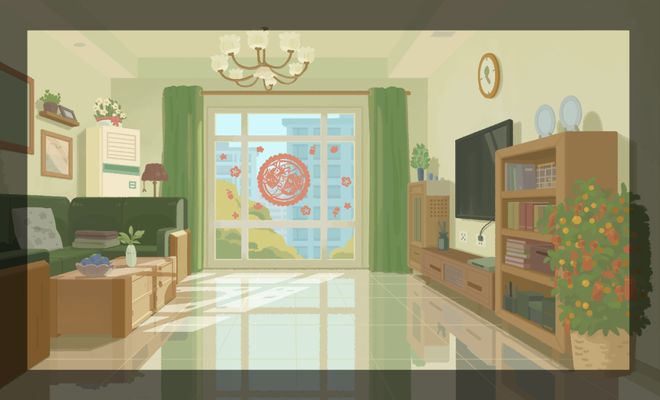
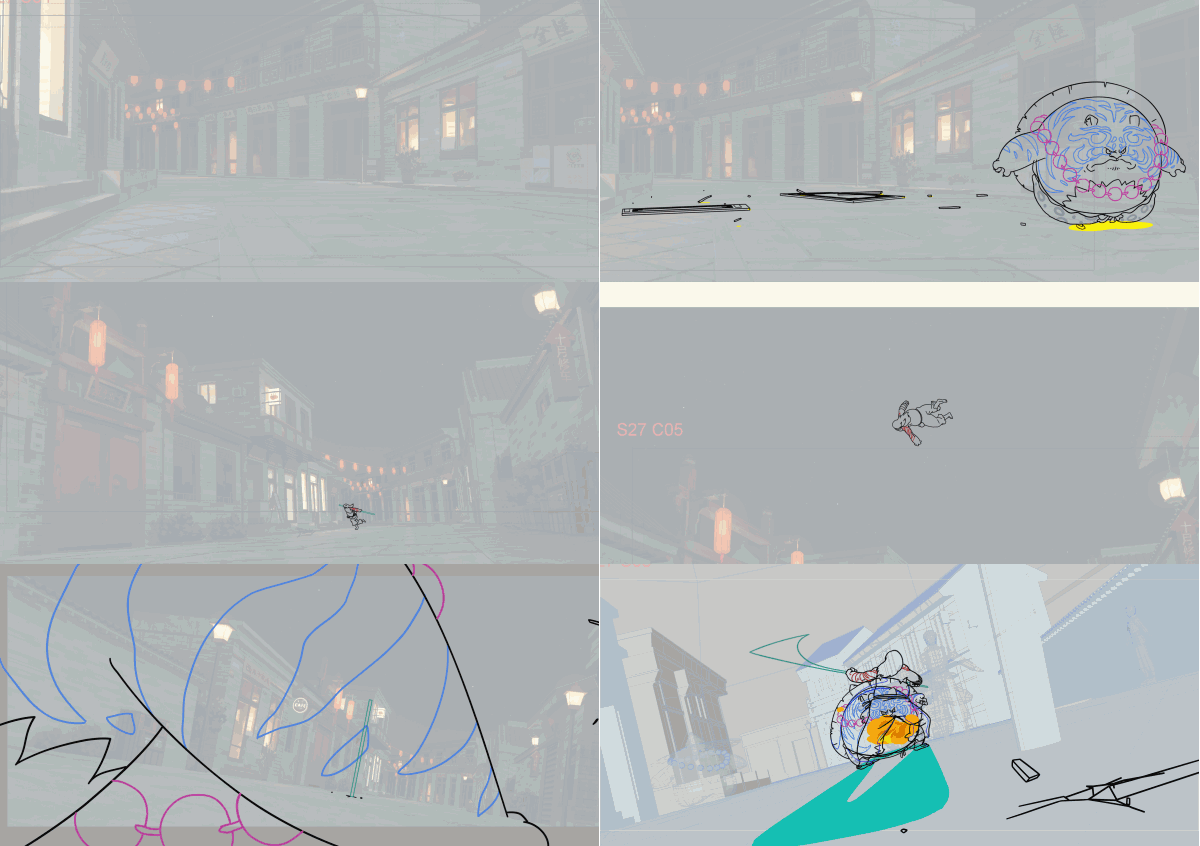
Part of the short’s background art
The main challenge was the heavy workload, involving many Pokémon and crowds, dense information, and some complex long takes.
Bifang: Thank you for accepting this interview with Animation Academics. We look forward to your future excellent works! Wishing you, everyone at HMCH, and all Pokémon fans a joyful Spring Festival and a Happy New Year!