What is the real "Chronicle of Chinese Games" like?
This article is reproduced with permission from Qingbaoji
Written by Erqi
Reviewed by Caibao
Layout by Lujiu
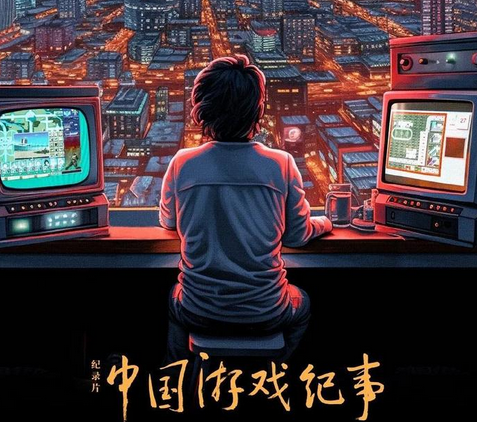
A few months ago, the documentary Chronicles of Chinese Games sparked controversy on the internet.
To be honest, its creators really understood the game industry—the selection of various materials was spot-on, reflecting the development, difficulties, and vitality of domestic games.
But I didn’t enjoy watching it, because its subject was the Chinese game industry, not Chinese games themselves.
If it were about the latter, the stories of us players should also have a place.
For example, those naive teenagers lingering in shady internet cafes, those children oppressed by internet addiction, those esports dreams that could hardly grow in the past… All of these were hidden behind the development of the industry.
It’s been a long time since I last recalled those moments.
These memories resurfaced partly because the games in the documentary awakened them, and partly because I came across a game called Internet Addiction Teen 2005.
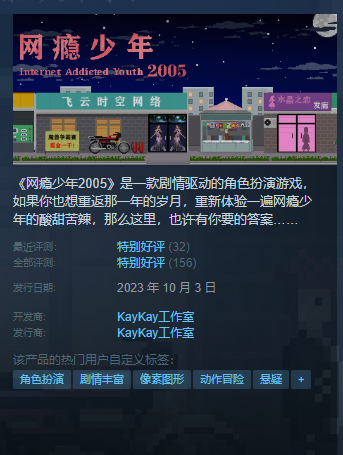
The reason I played this game was simple: there was a sentence in its review section—
“This is the true chronicle of Chinese games.”

I was curious why the reviewer said that, so I bought, downloaded, played, finished it, and was moved to tears.
Internet Addiction Teen 2005 tells a story set in 2005 in an ordinary small county in China.
The protagonist is named Wang Xiaoleng, a high school student who loves sneaking over the wall at midnight to go to the internet cafe, loves Warcraft III, and dreams of becoming an esports player—a textbook “internet addiction teen” in the eyes of parents and teachers.

Younger friends may not understand this era that once shouted “Fight the Internet Demon.”
Back then, the emergence of games became a perfect excuse for the failure of family and school education.
Of course, we don’t deny the negative impact of games; they can indeed make many people waste energy at inappropriate times in inappropriate directions, leading to academic neglect. But fundamentally, there are too many ways for teenagers to go astray—movies, extracurricular books, idol fandom… Games are just one of them.
There is nothing new under the sun. Parents themselves once faced similar temptations, such as “wuxia novels,” “Hong Kong movies”… and for younger kids, it became smartphones and short videos. So it’s just the excuse that keeps changing.
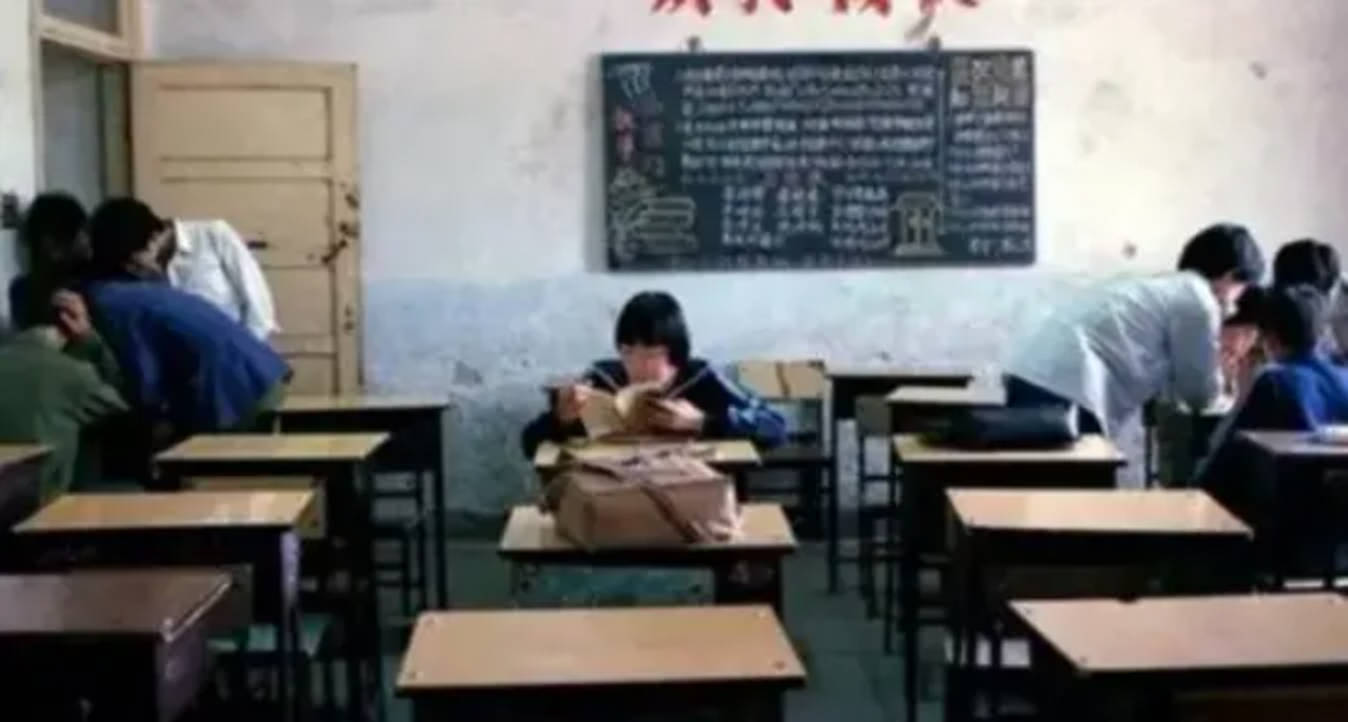
It was against this backdrop that the protagonist faced a critical choice in his life
—Should he stick to his dream of esports? Or follow the path set by his parents?
Wang Xiaoleng was originally confused, because he had no clear understanding of so-called life, and was anxious about the so-called future, while the path he wanted to take was one criticized by the adult world. Still, he leaned toward pursuing his dream, because he had a good buddy—they went to the internet cafe together, honed their skills together, encouraged each other, talked about everything, and strengthened their resolve while sharing their worries.

But, his friend chose to give up for various reasons. During his friend’s hesitation, Xiaoleng himself was indecisive and failed to offer encouragement at the critical moment.
The departure of his comrade made Xiaoleng lose confidence for a time. But just at that moment, he met a good “big brother.”
The “big brother” portrayed by the game’s creator is very archetypal: he stands up against injustice, excels at gaming, and is willing to guide the teenager both in gaming and in life—a dual mentor. With the big brother’s help, Xiaoleng gradually understood his own deepest desires and made many choices that affected his life…
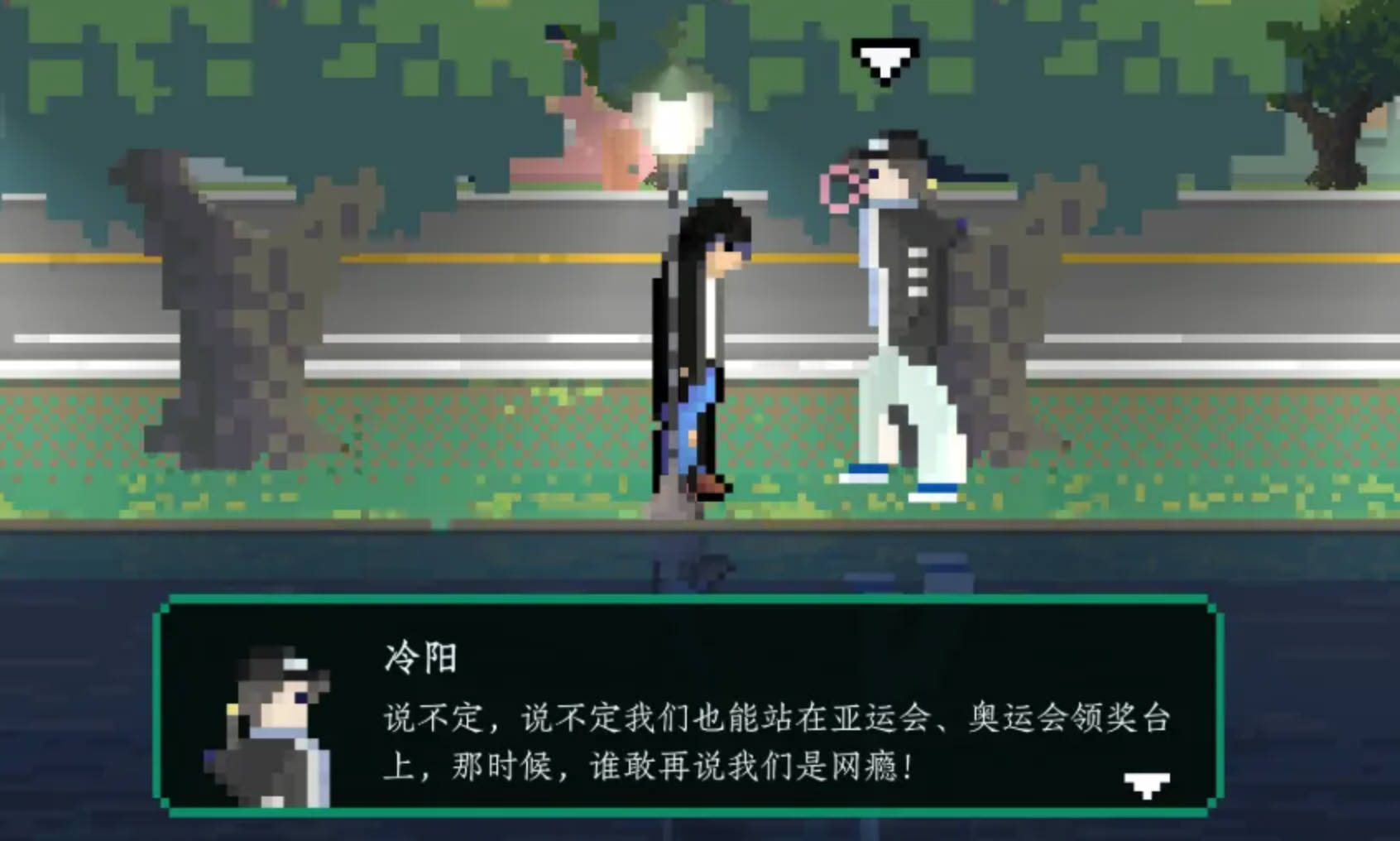
While experiencing these plot points, I felt a great sense of familiarity. Because in my youth, I also had a similar good buddy, a similar older gaming guide, and the same life troubles brought on by games. So I projected myself onto Wang Xiaoleng and was moved by his final choice.
This also made me curious about what kind of person created such a story and what motivated them. So I contacted the producer.
“To make up for the regrets of the past.”
That’s what the producer, Old Kay, told me when I asked.
Old Kay is a few years older than me. When he was in middle and high school, Warcraft III was at its peak.
As an avid enthusiast, he could already take on numerous insane-difficulty computers back in middle school, far surpassing me—a noob who could only wrestle with beginner ones.
That achievement made Old Kay aware of his talent. Around the same time, Li Xiaofeng won the championship at WCG, proving that esports was indeed a viable life path.
So the teenager conceived an esports dream.
However, his courage didn’t carry him all the way to taking that final step. He chose the most socially accepted path—the college entrance exam, university, and a job.
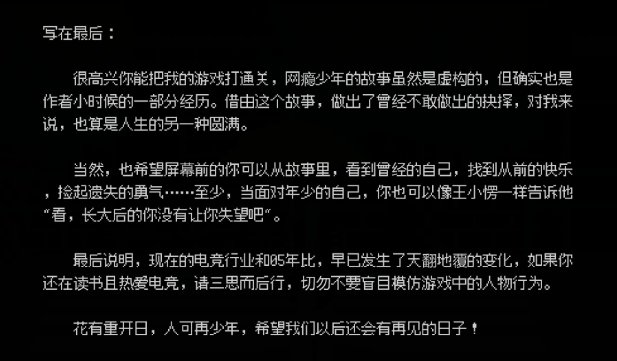
But looking back on the past, he still felt regret. Hence this game—because although time cannot flow backward, it’s possible to fulfill that dream in a game.
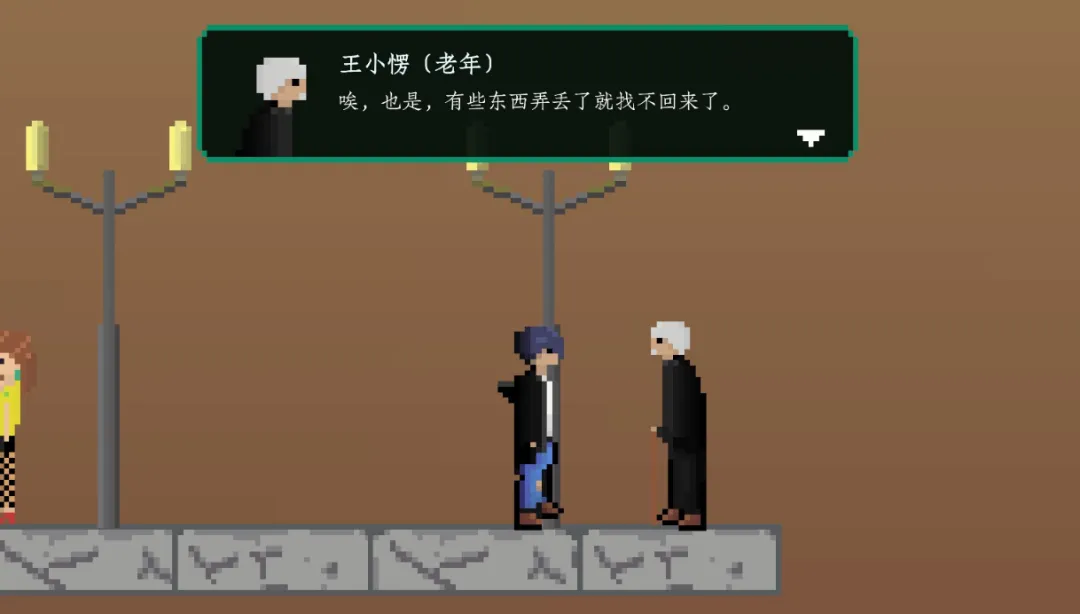
During my conversation with Old Kay, I realized that despite the physical distance of hundreds of kilometers and the age gap, the same frustrations, the same experiences, and the same wounds of the era were not unique to me.
The game’s review section is practically a collection of such “scar literature.”
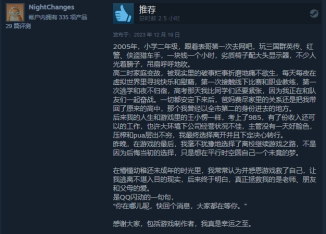
Some people felt that Wang Xiaoleng’s ending allowed them to “fulfill their dream” in a parallel world.
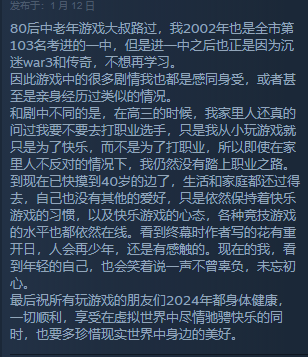
Others had once faced a chance to realize their dream but chose to give up, and now sigh with emotion in the game.
There are also post-2000s players who felt the confusion and pain of past gamers through this game.
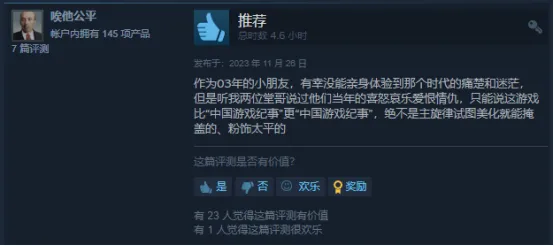
Reading these comments, the marks of an era that were not exactly suffering gradually surfaced in my mind, crossing a distance of ten or twenty years to reach 2024.
I only felt out of place—because the “War on Internet Addiction” has already ended.
This was the second time I felt this way; the first was a few years ago.
Back then, I interviewed some “outsiders” at a League of Legends arena. They were the cleaning aunties and uncles, and the middle-aged medical staff.
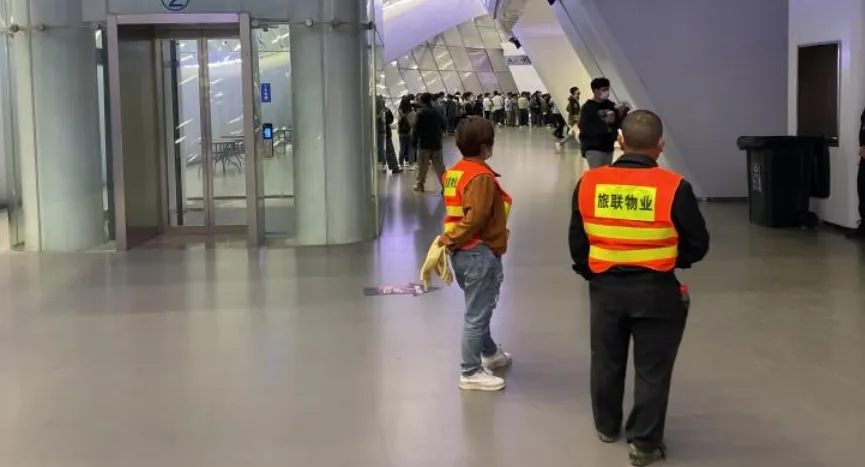
For people of this age, games should have nothing to do with life, but because of their jobs, they ended up here.
It’s like an android dreaming of electric sheep—it makes one wonder what the former thinks of the latter.
The elderly thought it was just like what their own kids were obsessed with when they were young—they couldn’t tell the difference between so-called esports stars and movie stars.
The middle-aged people had more to say. Among them were two aunties.
I asked them, if their child insisted, would they be willing to let them pursue this career?

The auntie’s initial answer was quite “diplomatic”—as long as the child likes it and has talent, it’s not impossible, after all, the popularity of these matches proves that one can actually stand out.
But I added a few words: the esports industry is winner-takes-all, only a few can achieve fame and fortune, and it’s an age-dependent career that conflicts with the traditional academic path.
They were stumped by my difficulty. After thinking it over, they said:
“Now it’s not like our time. If the child really has talent, we have to support them in chasing dreams, otherwise they might resent us later. But their future is also important. When the day actually comes, I don’t really know how I’d choose.”

This answer moved me deeply, because at that time, for most parents, esports was not even a path to consider.
But now, with the industrialization of esports, the times have silently changed.
Although it’s not perfect yet.
Someday in the future, it will evolve into a perfect form.
If that day ever comes, and someone wants to understand the entire evolution from beginning to end, they will need documentaries like Chronicles of Chinese Games, and they will need more games like Internet Addiction Teen 2005. Because only by combining the two can we capture the true face of Chinese games.

Old Kay and his work reminded me that these stories need to be recorded, to be retold.
So I wrote them down to share with everyone.